At the flip of a switch: Powering people and productivity in Sierra Leone
“Now I keep my shop open until 11pm."
This is what electricity means to Maseray Turay, a shop owner in Kambia: more customers, higher income and a better quality of life. Before her village was connected to reliable electricity, she could not keep her shop open after dark. Her working hours were limited by the sun. Today, they are powered by it.
Maseray is one of thousands of Sierra Leoneans whose homes, shops, schools and health centres are now lit by clean, reliable energy through more than 100 solar mini-grids installed under various initiatives.
No more ice marathons
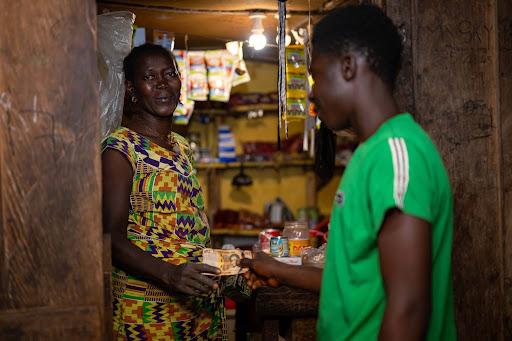
Victoria Fatama, a store owner in the Borup market, used to travel 20 to 30 kilometres just to buy ice, racing home before it melted in the heat. Today, thanks to the mini-grid powering the entire market, she no longer has to make that tedious journey.
"I now sell cold drinks and water, and also refrigerated food," she says. She can freeze chicken and other perishables, keeping stock fresh for days instead of hours and turning what was once wasted food into steady income.
No longer racing to sell the catch
The fishing community in Tombo used to preserve fish by smoking them or storing them in ice boxes, before selling them as quickly as possible. Now, reliable electricity powers ice-making machines and refrigerators, allowing fishers to keep their catch fresh for longer and reduce wastage.
A safer village after dark
In Kalangba village, Habitatu Bangura measures the change in terms of security. "There is less darkness in the village now, and it has made us safer from thieves," she says.
For her, electrification is about a dignified life. She now walks home without fear and charges her phone overnight at home instead of travelling to a nearby town every few days. Whether it's a family emergency or a flood warning, her phone is always ready when she needs it.
Brighter evenings, brighter futures
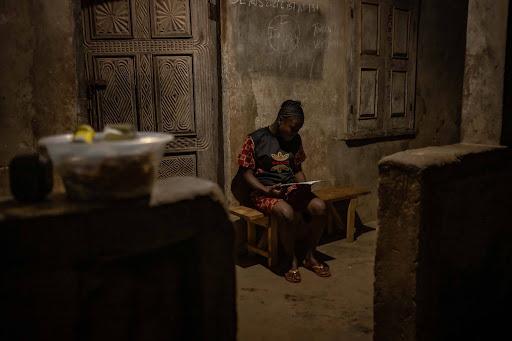
For children in these communities, electricity has increased the hours available to study. At the official commissioning of the Kalangba mini-grid, Honourable Kekura Vandi, former Chairman of the Parliamentary Energy Committee of Sierra Leone, noted, “In all the areas where solar mini-grids have been installed, students are doing extremely well in public exams.” Reliable electricity is helping create better conditions for learning and opening doors to greater opportunities for the next generation.
Scaling impact through SOGREA
These stories reflect Sierra Leone's remarkable progress in rural electrification over the last few years, increasing electricity access from under 5 per cent to 36 per cent - and the country is striving to scale further.
As Onyeka Okoye, Programme Officer - Universal Energy Facility, Sustainable Energy for All (SEforALL) explains, “There's still a huge energy access gap in the country, and this has to be filled not just with [CapEx] financing but through overall ecosystem development.” This is the thinking that shaped the Salone Off-Grid Renewable Energy Acceleration (SOGREA) initiative, funded by the European Union and the Government of Denmark, and implemented by UNOPS through its hosted entity SEforALL, in partnership with Sierra Leone's Ministry of Energy.
SOGREA supports Sierra Leone's clean energy transition by strengthening governance, scaling investment in mini-grids and piloting innovative renewable energy solutions. Through its milestone-based partial financing model, private developers finance, build, own and operate mini-grids, receiving reimbursement only after independently verified results. Alongside financing, the programme also provides regulatory support and technical assistance to help ensure projects remain viable over the long term.
Developers are optimistic about the opportunities ahead. Femi Coker, CEO of NOA Leone, which operates 24 mini-grid sites across northern Sierra Leone, says, “We've seen an increase in businesses within these communities and a lot of new activities cropping up because of energy access. We're hoping that with SOGREA, we can increase that access even more.”
By 2028, SOGREA will create over 31,000 new electricity connections across at least 60 rural communities through solar mini-grids. For many more Sierra Leoneans like Maseray, Victoria and Habitatu, a flip of a switch will deliver not just electricity but also the power to transform their lives - with improved livelihoods, better education and a brighter future.
Related content


