SEforALL promotes innovation and equity in the global energy transition at UNGA80 and Climate Week NYC

News

Each year, the UN General Assembly (UNGA) provides a platform to engage world leaders whose commitments are key to advancing clean energy transitions. Alongside Climate Week NYC, it enables governments, businesses and civil society to accelerate universal energy access and scale solutions for a just, equitable transition.

At UNGA80, SEforALL emphasized expanding energy access, innovating in financing and delivery, establishing linkages with industrialization and ensuring equity in the energy transition. Led by the CEO and UN Secretary-General’s Special Representative for Sustainable Energy for All, our delegation joined partners to advance Mission 300, highlight progress on Energy Compacts and promote solutions to expand energy access and clean cooking to achieve SDG7 targets.

Below is a summary of our key activities at UNGA80 and Climate Week NYC 2025.

SEforALL Lights Up Times Square with the EmPower Campaign Launch

At UNGA80, SEforALL launched EmPower, a global campaign to shift the narrative around clean energy as the catalyst for economic transformation and the foundation for a future-ready generation. The launch featured a high-energy livestream from New York, streamed across multiple platforms, combining youth voices, global business leaders and policymakers in an interactive broadcast.

Through EmPower, SEforALL is reframing the energy story from problem to opportunity, from distant future to solutions already here, and from fragmented voices to collective action. The campaign will run through 2030, creating a platform to mobilize resources, reframe the energy story and ignite global action.

The launch was amplified by a month-long digital billboard in Times Square, symbolizing both the urgency and global reach of the campaign. At UNGA80, leaders emphasized business innovation, green industrialization and opportunities for Africa’s energy transition—setting the stage for how EmPower will drive awareness and engagement worldwide.

Africa’s Green Energy Revolution — SEforALL Raises Momentum

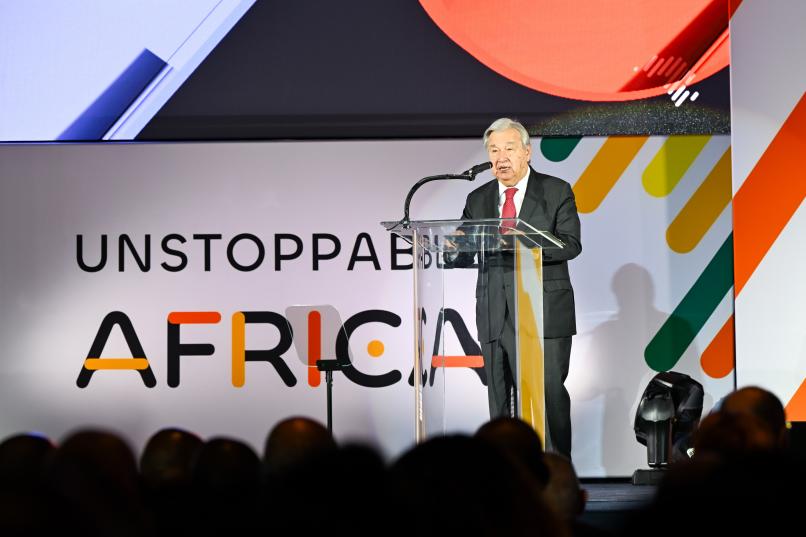
SEforALL led the energy pillar at the Unstoppable Africa event hosted by the Global Africa Business Initiative (GABI) showcasing African governments, financiers and industry leaders advancing the continent’s green energy revolution. It opened with ‘By Africa, For Africa: Financing a Green Industrial Revolution,’ highlighting African-led investments and partnerships already delivering results.

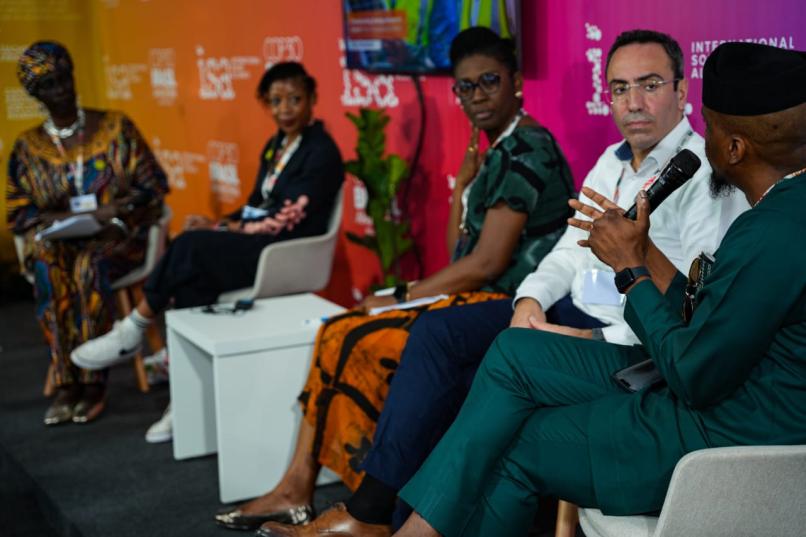
The panel ‘Innovating Energy, Transforming Industry — Africa’s Way Forward’ gathered policymakers, investors and innovators to explore Africa’s energy transition. Speakers emphasized that African institutions are charting their own path, from clean power to green industry, and called on global partners to back this momentum.

The session concluded with five deep-dive breakouts on clean cooking, green hydrogen, energy finance, mineral-to-manufacturing value chains and Mission 300 coordination — each designed to turn dialogue into concrete collaboration and action.
UNGA

SEforALL’s Green Industrialisation Hub – Minerals to Manufacturing

SEforALL convened a high-level roundtable, “Minerals to Manufacturing: Advancing Global South Ambitions to Build Clean Technology Value Chains.” The roundtable brought together governments, industry, development partners and financiers to discuss how countries can develop domestic clean energy technology value chains and advance their industrialization ambitions.

It showcased activities from SEforALL’s Green Industrialisation Hub and findings from Nigeria’s critical minerals demand–supply assessment, led by the Council for Critical Minerals Development in the Global South and UC Davis.

The discussion underscored the need to connect mineral resources to local manufacturing, ensuring the energy transition drives growth and opportunity in developing economies. It further identified key areas of interventions and partnerships necessary to support countries’ efforts to advance local value chain development.

UNGA

Meeting on Key Actions for Scaling SDG7 Implementation ahead of 2030

Together with the Permanent Mission of Iceland to the UN in New York, we convened a partner meeting with governments, development financiers, philanthropies, the private sector and think tanks.

Discussions focused on the opportunities to advance a just and equitable energy transition in emerging and developing economies, underlining the role of locally led, data-informed planning in driving economic prosperity. Such approaches can accelerate progress toward SDG7 by 2030, support global efforts to reach net-zero emissions by 2050 and deliver wider benefits across the SDGs.

Increased Government Support for Mission 300

The World Bank Group and the African Development Bank Group are working with partners including SEforALL, the Rockefeller Foundation, Global Energy Alliance for People and Planet (GEAPP), to align efforts in support of powering Africa, through Mission 300, the ambitious initiative to electrify 300 million Africans by 2030.

Seventeen additional African governments committed to reforms and actionable plans to expand electricity access as part of Mission 300 bringing the total number of countries actively working towards universal energy access to 29.

Benin, Botswana, Burundi, Cameroon, Comoros, the Republic of the Congo, Ethiopia, Gambia, Ghana, Guinea, Kenya, Lesotho, Mozambique, Namibia, São Tomé and Principe, Sierra Leone and Togo were the newest countries to unveil their national Energy Compacts.

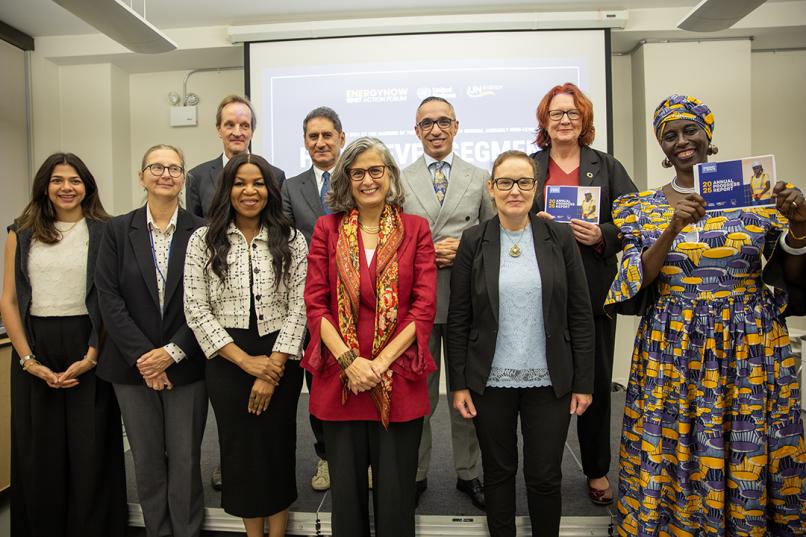
Launch of the Annual Energy Compacts Report

SEforALL launched the fourth edition of the Energy Compacts Report, building on the growing momentum since 2021, when more than 209 proponents first committed to accelerate progress toward SDG7.

New commitments to expand renewable energy and improve access to electricity and clean cooking by 2030 have raised the total finance and investment pledged through the United Nations to USD 1.6 trillion, of which USD 292 billion has already been mobilized. Energy Compact proponents have also expanded electricity access to 284 million people — an increase of 108 million in the past year.  Progress on clean cooking access remains slower. A total of 33 million people have gained access since 2021, up from 23 million in last year’s report.

The report underscores how Energy Compact proponents are turning ambition into action, addressing today’s energy needs while laying the foundation for a sustainable future.
UNGA

Advancing a Just Energy Transition through 24/7 Carbon-Free Energy

SEforALL convened a high-level session at the United Nations SDG7 Action Forum to explore how 24/7 Carbon-Free Energy procurement can operationalize the principles of the Just and Inclusive Energy Transition Compact (JIET). Unlike traditional renewable targets, 24/7 approaches aim to match every hour of demand with clean supply, driving investment in storage, grids and flexible technologies that ensure reliability.

Ambassador María Erla Marelsdóttir of Iceland delivered the keynote, followed by perspectives from global leaders across clean energy, storage and finance. The panelists highlighted how matching every hour of demand with clean supply can decarbonize power systems while creating jobs, strengthening resilience and ensuring fairness in emerging economies.

SEforALL also launched its new Report: Advancing the Just Energy Transition through Clean Energy Procurement,which provides actionable guidance for governments, companies, and communities on ensuring clean energy delivers inclusive prosperity.

Corporates Driving Net-Zero and a Just Energy Transition Forward

The session convened representatives from the private sector, government, finance and civil society to assess how corporate ambition can be effectively translated into actionable strategies for the energy transition.

Discussions emphasized the need to align corporate net-zero commitments with national energy priorities, supported by robust standards, accountability frameworks and cross-sector collaboration.

Participants examined pathways for decarbonizing supply chains, scaling green value chains and mobilizing innovative financing instruments to address cost pressures and shifting policy environments. The dialogue further underscored the importance of ensuring a just and equitable transition, with particular attention to the opportunities and challenges facing emerging economies.
UNGA

Addressing Energy Poverty and Empowering Communities through Clean Cooking

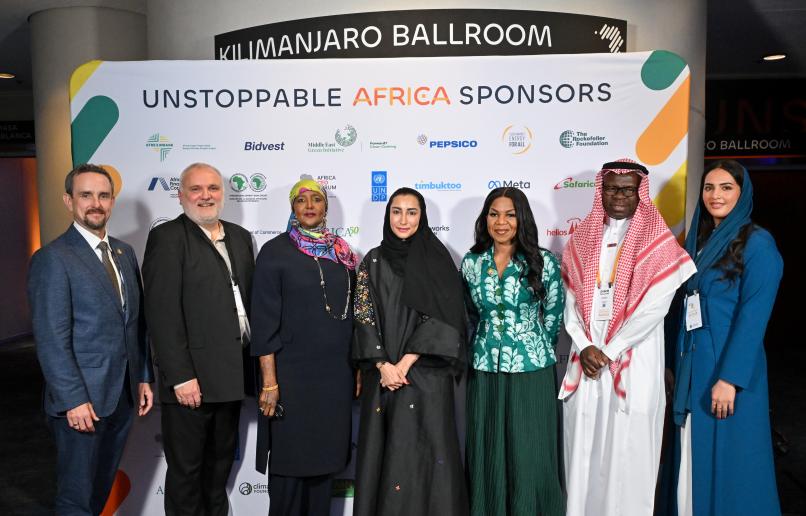
Together with the Middle East Green Initiative’s Forward7, SEforALL co-hosted a high-level session spotlighting the urgent need to expand clean cooking access, particularly in schools.

The discussion showcased innovative initiatives across Africa that are addressing energy poverty while unlocking wide-ranging co-benefits for health, education, gender equity and climate resilience.

Case studies from Sierra Leone, Madagascar, and Tanzania highlighted how strategic partnerships with governments and organizations like SEforALL and Forward7 can deliver scalable, sustainable solutions. The session underscored that accelerating clean cooking is central to advancing energy, climate and development ambitions.

Youth, Equity and AI in the Energy Transition

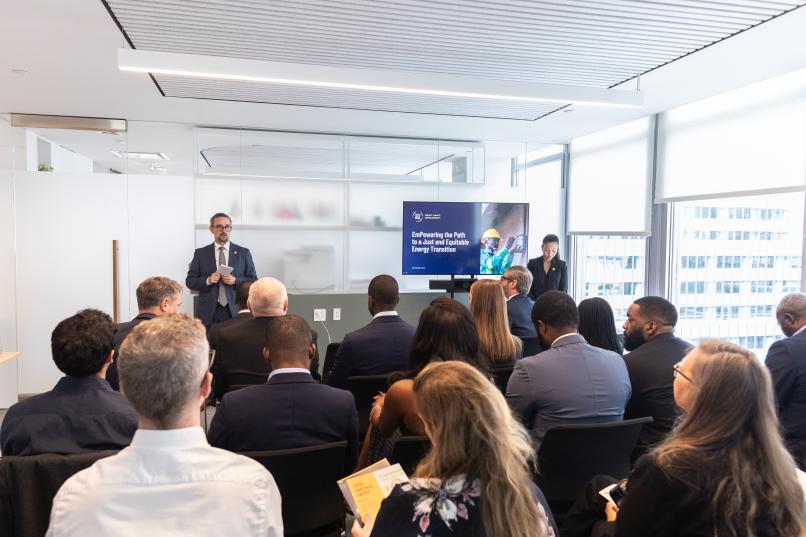
At the SDG 7 Action Forum, SEforALL and the SDG 7 Youth Constituency co-hosted the session “From Energy Burden to Engine of Transition: Centering Equity in the Age of AI,” asking a crucial question: is Artificial Intelligence (AI) a challenge to sustainability, or can it drive a fair and inclusive energy transition?

Speakers emphasized that ensuring AI serves as a tool for equity requires investments in reskilling for green and AI-driven jobs, innovations that reach last-mile communities and the empowerment of local leadership.

The session concluded with a clear call to action: to ensure women, youth and marginalized groups have active leadership roles, backed by investments in digital skills and quality data, to shape how AI powers the energy transition.
UNGA

Advancing Gender Data and Indicators for a Just & Equitable Transition

As co-lead of the Gender & Energy Compact, alongside ENERGIA, GWNE, and UNIDO, SEforALL emphasized the urgent need to establish standardized sex-disaggregated data and indicators to ensure a just and inclusive energy transition at the SDG 7 Action Forum.

Building on the launch of the Policy Briefs in Support of the High-Level Political Forum 2025, “Gender Indicators for Sustainable Energy: A Call to Action,” the session highlighted that without robust data on how energy policies affect women, from time poverty and labour participation to leadership and entrepreneurship, it remains a challenge to design effective policies or measure progress.

In the face of challenges such as low data coverage and siloed efforts, speakers called for harmonized methodologies, better use of existing datasets and stronger collaboration ahead of the 2026 HLPF review of SDG 7. The consensus was clear: making gender impacts visible through data is a core requirement for accountability and for shaping a sustainable energy future that empowers everyone.

Advancing Decent Work & Productive Employment for Women in the Energy Transition

SEforALL and the Gender & Energy Compact co-leads convened a session focused on evidence-based strategies to ensure women and girls secure decent employment in the shift to clean energy.

Speakers shared global, evidence-based solutions, including Iceland’s national policies on parental leave and boardroom quotas, India’s training programmes enabling women to install and maintain solar pumps and Kenya’s initiatives attracting women to skilled construction trades. These examples underscored that achieving a just transition demands multi-stakeholder action to embed gender equality in policy, invest in targeted training and create supportive work environments that unlock the resilience and innovation women and youth bring to the sector.

The discussions reaffirmed that women’s empowerment is a strategic necessity. Ambassador María Erla Marelsdóttir of Iceland captured this imperative, asking, “The question is not whether we can afford to prioritize gender equality, but can we afford not to?”

Global Media Impact

Lastly, our work captured the attention of some of the world’s most influential media outlets. TIME, The New York Times, BBC, Reuters and CGTN America featured coverage, amplifying our message to millions across the globe.

This recognition underscores both the growing relevance of our mission and the urgency of the challenges we address. From global broadcast segments on Reuters, BBC and CGTN America to thought-leadership features in The New York Times and TIME events, the breadth of coverage highlights the importance of our work and expands our reach to new partners, supporters and communities worldwide.

Our CEO’s latest recognition in the 2025 Forbes Sustainability Leaders list acknowledging the work of 50 global leaders at the forefront of climate action, continues to draw attention to the urgency of a just and equitable energy transition, and our work driving transformative change.
Regional Cooperation Drives Progress on ASEAN’s Energy Transition Journey

News


The Association of Southeast Asian Nations (ASEAN) consists of 11 member states: Brunei, Cambodia, Indonesia, Laos, Malaysia, Myanmar, the Philippines, Singapore, Thailand, Vietnam, and Timor-Leste. ASEAN is now the world’s fourth-largest economy, with GDP exceeding USD 4 trillion. As the region continues to grow, energy will play a decisive role in ensuring that this growth remains secure, competitive, and aligned with its 2050 carbon neutrality ambitions.

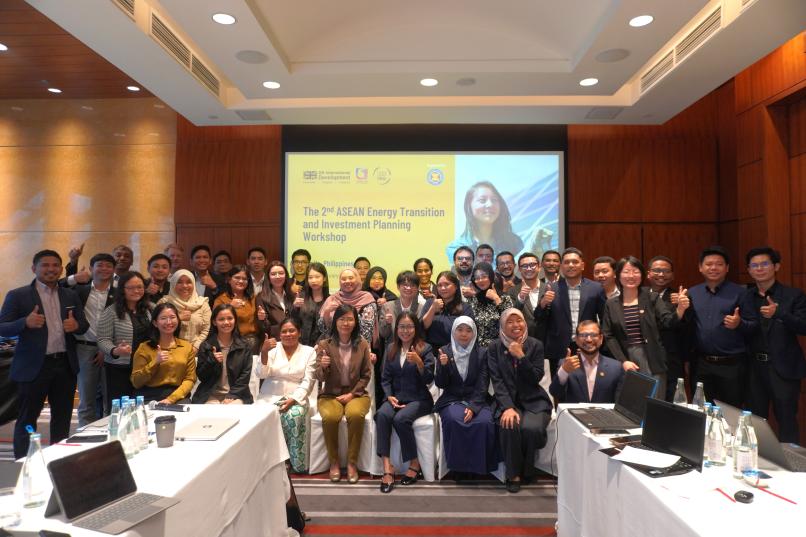
Sustainable Energy for All (SEforALL) continues to support the energy goals of this region and from 10–12 February 2026 in Manila, SEforALL in collaboration with the ASEAN Centre for Energy (ACE) and supported by the ASEAN-UK Green Transition Fund, convened 37 experts from Cambodia, Indonesia, Lao PDR, Malaysia, Myanmar, the Philippines, Thailand, and Timor-Leste — alongside representatives from five partner agencies for the 2nd ASEAN Energy Transition and Investment Planning Workshop.

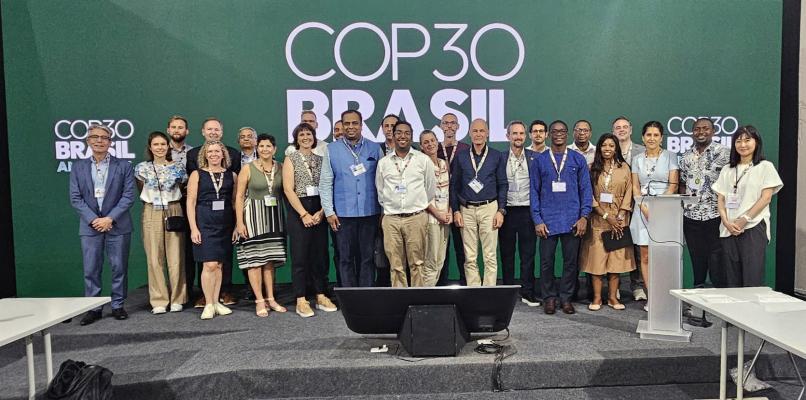
ASEAN Workshop Group Photo


Country Consultations at the Heart of the Workshop

A defining feature of the workshop was its strong emphasis on country consultations.

Regional modelling must reflect national realities. Each country has its own policy landscape, development priorities, energy mix, and constraints. For the ETIR to be credible and useful, Member States would need directly to validate the assumptions and data shaping the regional results.

Over three days, delegates engaged in structured discussions reviewing national data inputs, policy frameworks, and modelling assumptions. These consultations created space for countries to clarify data, flag inconsistencies, and ensure that projected transition pathways align with domestic plans.

This collaborative working process ensured that the roadmap is co-developed with Member States — strengthening transparency, trust, and shared ownership.

“The ASEAN ETIR helps Malaysia benchmark our clean energy pathway against the region and better understand investment needs. It strengthens evidence-based planning while ensuring our energy transition plan remains realistic, financeable and regionally aligned,” — Adzli Maher, Assistant Director, Energy Market Section, Market Regulation and Planning Division, Energy Commission (Suruhanjaya Tenaga), Malaysia.

Strengthening the Analytical Foundation and National Capacity

At its core, the workshop delivered two key outcomes.

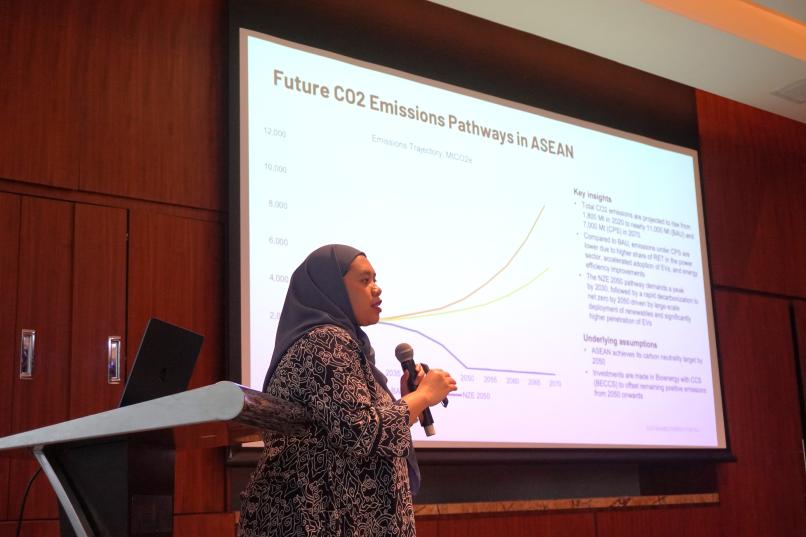
First, participants reviewed the initial findings of the ETIR alongside its underlying input data, taking a close look at key assumptions, scenario design, and data sources. This collective validation process helped ensure that the modeled transition pathways are grounded in regional realities and aligned with national contexts. By scrutinizing both the inputs and preliminary results, Member States strengthened the technical robustness and credibility of the roadmap.

Second, the workshop strengthened national capacity to engage with advanced modelling tools. Government representatives deepened their understanding of the SEforALL Energy Systems Model (SEM) and the ASEAN ETIR Methodology, improving their ability to interpret scenario results and use evidence-based analysis to inform policy decisions.
 

2nd ASEAN Workshop - 3


Together, these achievements ensure that the ASEAN ETIR is not only technically sound, but also supported by stronger institutional capacity across the region.

“The workshop strengthened my understanding of how to link energy transition scenarios with investment needs and financing options. It also provided valuable insights into how the ASEAN energy system may evolve beyond 2050. The concepts and approaches shared in this workshop will help inform the development of Cambodia’s future energy policies and planning. I will apply this knowledge to strengthen national energy planning, enhance coordination within the Ministry, and support strategic discussions with development partners.” — Oum Chansophea, Vice Chief of Energy Efficiency and Conservation Office, Department of Technique and Energy Business Policy, General Department of Energy, Ministry of Mines and Energy, Cambodia

Building a Stronger Foundation for Regional Cooperation

Beyond the technical outputs, the workshop reinforced ASEAN’s collaborative approach to long-term energy planning.

By jointly reviewing results, aligning methodologies, and strengthening analytical capabilities, Member States enhanced regional consistency while respecting national circumstances. The shared process improved data comparability, clarified sectoral transition dynamics, and laid the groundwork for the next phase of refinement.

“Regional collaboration strengthens energy security and helps countries address common challenges such as renewable integration, transmission expansion, and market readiness.” — Ronalene C. Sianen, Electric Power Industry Management Bureau, Science Research Specialist, the Philippines

As the ASEAN ETIR moves toward finalisation in 2026, the progress made in Manila provides a stronger, more credible foundation for coordinated regional action.

Through sustained collaboration and country-led engagement ASEAN is demonstrating that effective regional cooperation — grounded in shared evidence and collective ownership — is central to delivering a just and investment-ready energy transition.

South-South Learning Exchange: How India and Africa are Redefining Sustainable Cooling


In October 2025, a transformative journey took place as a high-level delegation from across Africa, including representatives from Kenya and Ghana, arrived in India with a single, urgent mission: to unlock the future of sustainable cooling. Supported by the Mission Efficiency framework and partners like SEforALL, Daikin India, BEE and EESL, this South-South exchange was more than just a site visit; it was a blueprint for how emerging economies can collaborate to solve the climate crisis while driving prosperity.

The context for this visit is a cooling imperative that Africa cannot ignore. As the continent faces rapid urbanization and rising temperatures, the demand for cooling is expected to skyrocket. Currently, only 13% of African households have access to air conditioning, yet cooling could consume up to 60% of peak energy loads by 2040. The solutions explored during this three-day tour offered a triple win: the potential to reduce emissions by 68% by 2050, create hundreds of thousands of green jobs and significantly improve food security and healthcare.

The delegation’s journey began at the Daikin facility in Neemrana, where they witnessed firsthand the power of integrated manufacturing. From the production of low-GWP refrigerants like R-32 to the implementation of circular economy practices, the site showcased how industry can balance growth with environmental stewardship. A highlight of the visit was the Center of Excellence, where the focus on technician training and female participation sparked conversations about how Africa can replicate these models to empower its youth and women in the green economy.

Moving beyond the factory floor, the exchange delved into the complex world of policy frameworks and market implementation. Through roundtables with India’s Bureau of Energy Efficiency (BEE) and Energy Efficiency Services Limited (EESL), delegates explored the 'India journey' — from the National Cooling Action Plan to innovative financing models like UJALA. These sessions unpicked the mechanics of bulk procurement and Energy Service Company (ESCO) contracts, providing the African leaders with a toolkit to build bankable, scalable projects back home.

Perhaps the most resonant outcome of the exchange was the shared vision for human-centric development. Participants recognized that the cooling sector isn’t just about machines; it is about the thousands of jobs created across the value chain, from installation to maintenance. By establishing localized 'Centers of Excellence' and harmonizing regional standards, African nations can ensure that the transition to sustainable cooling is inclusive, creating a resilient workforce that can sustain long-term economic growth.

As the visit concluded, the path forward became clear: the future of climate resilience lies in South-South collaboration. By sharing technology, harmonizing policies and mobilizing blended finance, India and Africa are not just fulfilling global pledges — they are building a shared foundation for prosperity. The partnerships sparked this October promise to accelerate a cooling transformation that will save energy, boost food security, and improve the quality of life for millions across the African continent.


Lolade Abiola Appointed Chief of Staff at SEforALL

News

Sustainable Energy for All (Sustainable Energy for All) is pleased to announce the appointment of Lolade Abiola as its new Chief of Staff, succeeding Kanika Chawla.

Lolade brings more than 15 years of leadership experience across renewable energy, international development, aviation and marine logistics. In her new role, she oversees strategic planning, strengthens leadership operations and enables teams across SEforALL to deliver high-impact programmes that advance universal access to sustainable energy.

Prior to this appointment, Lolade led SEforALL’s Secretariat and Data Analytics team, where she directly supported Mission 300 partners, including the World Bank Group, African Development Bank, Rockefeller Foundation and GEAPP, working to deliver electricity access to 300 million people in Africa  by 2030. Her work has consistently bridged strategy and execution, aligning policy, financing and implementation across public and private sectors.

Before joining SEforALL, Lolade held senior roles with the World Bank-funded Nigeria Electrification Project and within the Government of Nigeria, including the Office of the Vice President and the Rural Electrification Agency. She also played a pivotal role in implementing Nigeria’s Energy Transition Plan, helping to secure more than USD 4 billion in financial commitments.

Driven by a deep commitment to energy access and the clean energy transition, Lolade is known for convening diverse stakeholders, shaping effective partnerships and supporting country-level implementation worldwide. Her appointment marks a strong step forward as SEforALL accelerates action to deliver sustainable energy for all.

Africa’s cooling opportunity

News

Millions of people in Africa and the rest of the world are at risk from rising temperatures, due to climate change. With the threats to their health, prosperity and future, there is an urgent need to accelerate access to sustainable cooling systems.

Sustainable Energy for All (SEforALL)’s, Chilling Prospects: Tracking Sustainable Cooling for All 2025, finds that more than one billion people globally are impacted by inadequate cooling for human comfort and safety, food systems and health care. The most vulnerable include 309 million in rural populations where electricity is largely unavailable, and 695 million in crowded urban settlements where power is absent, unreliable or unaffordable. A staggering proportion of these people live in Africa and the report projects 1.05 billion could be at high risk globally by 2030, unless urgent action is taken.

Across Sub-Saharan Africa, the lack of cooling systems is a matter of survival. Vaccines degrade in the heat, risking immunization programs. Fresh food spoils, worsening hunger, malnutrition and economic losses. Heat waves become deadlier for the elderly, children, and those with pre-existing health conditions. Workers lose productivity, undermining economic development.

Nigeria, Sudan and Mozambique are among the nine most vulnerable nations worldwide to these risks. As UN Secretary-General António Guterres emphasized in his Call to Action on Extreme Heat, high temperatures kill almost half a million people annually.

The cruel irony is that cooling demand is surging due to a warming planet—yet conventional cooling systems are major contributors to global warming. Air conditioners and refrigerators consume massive amounts of energy and often use hydrofluorocarbon (HFC) refrigerants; more potent greenhouse gases than carbon dioxide. Unabated, cooling could account for more than 10% of global emissions.

Amid the crisis is economic opportunity. The Cooler Finance: Mobilizing Investment for the Developing World's Sustainable Cooling Needs report by the UN Environment Programme (UNEP) and the International Finance Corporation (IFC) predicts the cooling market in developing economies will double to at least USD 600 billion annually by 2050. Africa will deliver the fastest growth, at seven-fold. This represents a massive private sector opportunity to generate more than USD 8 trillion in benefits for developing countries, cutting consumers' electricity bills by USD 5.6 trillion over 25 years and reducing investment needed in new power generation by USD 1.8 trillion. For African nations struggling with energy access and grid capacity, sustainable cooling can be a smart economic policy.

Ongoing attempts to address this challenge include the Global Cooling Pledge, launched during COP28, with over 71 countries and 60 non-state actors committing to reduce cooling-related emissions by 68% by 2050, while ensuring equitable access to cooling solutions for vulnerable populations. African nations including Kenya and Nigeria have signed the pledge to boost the global average efficiency of new air conditioning equipment by 50% by 2030.

More recently the COP30 Presidency and UNEP's Cool Coalition launched the Beat the Heat/Mutirão contra o Calor Extremo Implementation Drive to support cities with heat risk assessments, nature-based cooling solutions, sustainable procurement and building code adoption. Fifteen cities have endorsed the pledge, with many more expected. Fast-growing African cities have tremendous opportunities to integrate cooling into urban planning through green and blue spaces, building codes and public procurement of efficient cooling technologies.

As global warming reshapes heat stress patterns, forecasting using advanced technologies, planning and proactive integration for passive cooling interventions and solutions becomes essential. SEforALL's Open Building Insights (OBI) tool— jointly developed with IBM through the IBM Sustainability Accelerator— leverages satellite imagery and AI to provide building footprint data, classification (residential vs. non-residential) and energy consumption estimates. Across Kenya and Maharashtra, India, the tool is helping planners identify where passive cooling interventions are needed most urgently. In Kenya’s Makueni County, OBI insights are projected to deliver better-targeted energy and cooling interventions to approximately 1.14 million citizens by 2030. This is complemented by IBM's Modeling Urban Growth (MUG) open-source AI model that predicts future urbanization patterns using historical satellite data.

Faster progress on delivering sustainable cooling for all hinges on three key actions:

  1. Update existing plans - In the face of new cooling technologies, accelerating climate impacts and more sophisticated financing mechanisms, older National Cooling Action Plans (NCAPs) should be refreshed to incorporate the latest best practices, commitments and initiatives.
  2. Develop robust investment roadmaps - Countries must quantify the investments needed to address cooling access gaps and create credible financing roadmaps. The UNEP and IFC estimate that closing existing cooling access gaps for households and small businesses will require USD 400-800 billion in upfront capital investment globally. This substantial sum represents the infrastructure, equipment, and energy system upgrades necessary to provide sustainable cooling access to underserved populations, particularly in developing countries where climate vulnerability is highest. The Green Climate Fund (GCF) emerges as one of several critical funding sources that can help bridge this investment gap, offering below-market-rate loans and grants to make cooling projects financially viable where commercial financing may be too expensive or unavailable.
  3. Strengthen private sector engagement - Manufacturers of cooling equipment, based in African countries or operating internationally, must collaborate on minimum energy performance standards, invest in local manufacturing and assembly. They must also provide affordable financing and training while developing products tailored to Africa.

As nations prepare their next round of Nationally Determined Contributions (NDCs), the message is clear: cooling must be at the centre of climate and development strategies. Cambodia, Costa Rica, Dominican Republic, Ghana, Japan, Kenya, Nigeria, Singapore and Vietnam have expressed intention to incorporate cooling into their updated NDCs and more nations must follow suit.

The challenge is urgent, but the solutions are within reach. With organizations like SEforALL providing technical support, development partners offering financing, UNEP's Cool Coalition facilitating global coordination and manufacturers rolling out efficient technologies, African countries can leapfrog old inefficient, polluting cooling systems and ensure everyone has access to life-saving, sustainable cooling.

Every degree of warming, every heat wave, and every spoiled vaccine reminds us of what is at stake. By signing the Global Cooling Pledge, the Sub-national Global Cooling Pledge, joining the Beat the Heat initiative, updating NCAPs and Heat Action Plans with concrete investment roadmaps, leverage new initiatives like UNEP's Enabling Pledge Implementation for Cooling (EPIC) Facility, and prioritizing passive cooling solutions that reach the most vulnerable, African nations can protect their people, strengthen their economies, and lead the world toward a cooler, more equitable future.

Programme

Cooling for All

Nigeria Launches a Cooling Marketplace to Scale Sustainable Cooling Solutions

News

Nigeria is taking a decisive step toward scaling sustainable cooling. On 4 December 2025 in Lagos, the National Council on Climate Change (NCCC) and Sustainable Energy for All (SEforALL), organized the first Cooling Marketplace session, focused on mobilizing finance for sustainable cooling. The Marketplace leverages the lessons learned and framework from the Mission Efficiency Marketplace, marking the beginning of a community of practice that will turn cooling priorities into investment-ready action.

The timing is not accidental. According to the Chilling Prospects 2025, around 125 million Nigerians are at high risk due to lack of access to adequate cooling — from farmers and traders losing food and income, to patients needing reliable cold chains, to school-goers, workers and urban residents increasingly exposed to dangerous heat. Meanwhile, around 101 million people are about to purchase “the cheapest cooling devices”. If these are inefficient, Nigeria risks locking households and businesses into decades of high energy bills, increased emissions, and grid stress.

The Marketplace is a one of a kind platform, convening government, finance providers, industry and philanthropies to turn energy efficiency and cooling projects into “investment-grade” pipelines through project preparation, de-risking instruments and investor matchmaking. The day’s programme combined national context with hands-on problem solving. After welcome remarks and a keynote from NCCC leadership, sessions addressed Nigeria’s Kigali Amendment implementation, the urban heat challenge in Lagos, and the cooling “investment gap”—including standards implementation and financing opportunities.

MP

Breakout groups on Agriculture and Cold Chain, Healthcare and Vaccine Storage, and Buildings and Urban Cooling, rapidly surfaced priority actions. Agriculture discussions emphasised on cooling-as-a-service, shared cold rooms for farmer clusters, and clearer carbon-finance pathways. The healthcare group called for standardised, efficient facility designs, sustainable power for weak-grid sites, and blended finance to de-risk upgrades. In buildings, participants prioritised stronger MEPS, better compliance, and expanded technical capacity, while also identifying future opportunities such as district cooling in major urban districts.

"For Nigeria, sustainable cooling is a climate priority. This Marketplace supports the National Council on Climate Change’s mandate to coordinate action across sectors, strengthen implementation, and ensure cooling policies translate into concrete, investable solutions that deliver results on the ground" -  Uboho Ekpo, Principal Scientific Officer National Council on Climate Change

Across all groups, the same “investment-grade” enablers kept resurfacing: stronger standardisation and enforcement, better data and project preparation, and financial mechanisms that reduce perceived risk—particularly guarantees/credit enhancement, local-currency financing, and blended structures that can bring in private capital at scale.

One of the workshop’s outcomes was agreement to establish a Nigeria Cooling Community of Practice, anchored by an NCCC-hosted secretariat and thematic working groups on Policy & Standards, Finance Mobilization, Capacity Building, and Sectoral Implementation. Participants proposed early deliverables including a Nigeria Sustainable Cooling Brief, sector-specific investment guides, packaged bankable projects for investor matchmaking, and impact measurement frameworks to track progress.

“Nigeria needs cooling solutions that are affordable, efficient, and scalable. This Marketplace creates a practical space to align policy, finance, and industry, turning cooling priorities into investment-ready projects with real development impact.” - Emeka Oragunye, Regional Director, Africa, SEforALL.

Looking ahead, collaborators like World Bank IFC and other participants see this first Marketplace session as the start of something larger—a practical, collaborative engine for unlocking finance and accelerating sustainable cooling nationwide. As the Community of Practice takes shape, Nigeria now has the foundations to turn concepts into investable projects and, eventually, expand the model to other efficiency priorities.

Programme

Cooling for All

Beyond Paris: The Road Ahead for Clean Energy

News

In December 2015, the world witnessed a historic moment as 195 parties came together to adopt the Paris Agreement, a legally binding framework to combat climate change and build a sustainable future. Fast forward to 2025, and the momentum for climate solutions has never been stronger. 92% of the global population now has electricity. While 310 million people have gained access since 2015, a significant gap remains, with over 666 million people still living without electricity.

The UN Decade for Sustainable Energy was recently extended to 2030, reinforcing global commitments to universal energy access and a just energy transition. While this signifies that the journey is far from over, it also gives the energy development sector important momentum to continue its contribution to reaching the goals of the Paris Agreement.

The Paris Agreement was a Catalyst for Change

The Paris Agreement marked a turning point in global climate action. It provided a flexible yet powerful and binding framework for countries to reduce emissions, adapt to climate impacts and collaborate on solutions. Over the past ten years, this agreement has sparked significant momentum in the clean energy transition. In just ten years, clean energy grew from a few hundred billion dollars a year to trillions annually. Investments are now larger than fossil fuels and growing faster — with total investment over the decade roughly equaling the EU’s entire economy for one year.

Renewables are no longer an add-on to the energy system. They now power city bus fleets and delivery networks, heat homes through electric heat pumps, anchor national power grids, and supply heavy industry and data centers, making them the backbone of the global energy economy.

Progress, But Not Victory

The past decade made clear that climate change is already reshaping the planet. Between 2015 and 2025, the world experienced its 11 warmest years on record. Yet thanks to the Paris Agreement and rapid clean-energy deployment, the world has avoided a trajectory of more than 4°C of warming. Today, projections point closer to 2.5°C, and although short of the 1.5°C threshold needed to avoid the worst impacts, every fraction of a degree matters, and moving from 4°C toward 2.5°C has already spared the world from its worst-case future.

2026: The Era of Implementation

As António Guterres, UN Secretary-General, emphasized, 2026 must kickstart a new decade of implementation. Here’s what this means for the energy sector:

  1. Scaling Renewable Energy: The clean energy transition must accelerate. At COP28, global leaders committed to tripling renewable energy capacity by 2030. This ambitious target requires doubling the annual rate of renewable installations, with a focus on solar, wind and battery storage.
  2. Energy Access and Equity: A just energy transition is essential. Developing countries must have access to the finance and technology needed to accelerate their clean energy transition. Initiatives like SEforALL’s Mission 300, which aims to provide electricity to 300 million people in Sub-Saharan Africa, are critical to achieving this goal.
  3. Innovation and Technology: The integration of artificial intelligence and green hydrogen will play a pivotal role in optimizing energy systems and decarbonizing hard-to-abate sectors like steel and cement.
  4. Policy and Cooperation: Governments must prioritize forward-thinking policies that foster investment in clean energy. International cooperation is more important than ever to ensure that no one is left behind in the energy transition.
  5. Climate Finance: The financial gap must be bridged. Developed nations need to fulfill their commitments to climate finance and offer affordable loans, enabling emerging economies to build resilient and sustainable energy systems.

The Road Ahead

The Paris Agreement has shown that global unity and ambition can drive change However, as we enter this new phase of implementation, the stakes are higher than ever. This means not only accelerating the deployment of clean energy but also addressing the systemic barriers that hinder progress.

The next decade is a critical window of opportunity. By embracing innovation, fostering collaboration and prioritizing equity, we can build a sustainable future for all. The Paris Agreement was a bold step forward — now it’s time to turn ambition into action.

2025, A Defining Year for the Global Energy Agenda

News

2025 has been a landmark year in moving the world closer to clean and affordable energy for everyone.

At the end of 2024, the UN Decade of Sustainable Energy for All (2014–2024) was extended to 2030. The extension, adopted by the UN General Assembly, will ensure that energy remains at the core of global development efforts.

The past decade brought important progress, with more than 300 million people gaining access to electricity. Yet 666 million still live without power, and closing this gap will require directing investment to where it’s needed most so that proven solutions can be deployed at scale.

By extending the UN Decade, governments, development banks and private investors have an opportunity to invest more resources, accelerate delivery and keep building momentum needed to advance sustainable energy towards 2030 and beyond.

AES 25

Global development leaders unite to close Africa’s energy gap

Closing the global energy gap depends on strong international cooperation, and one of the decade’s most ambitious public-private-philanthropic partnerships was recently formed. The broad coalition known as Mission 300 led by the World Bank and the African Development Bank, and supported by the Global Energy Alliance for People and Planet, The Rockefeller Foundation and SEforALL, aims to bring electricity to 300 million people in Africa by 2030.

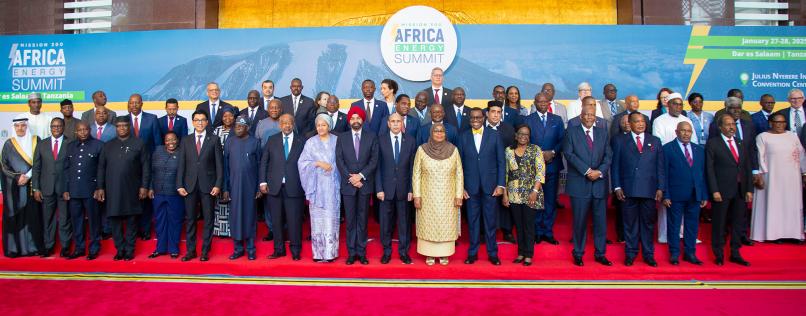
The Mission 300 Africa Energy Summit held in January delivered three major results. African leaders agreed on a shared vision for faster electrification, while 12 countries set out detailed plans to expand energy access. International partners also pledged significant new funding for electricity connections and for helping households shift from harmful, polluting cooking methods to cleaner, safer alternatives.

During the UN General Assembly in September, an additional 17 countries unveiled their national plans towards universal energy access, signaling growing momentum towards Mission 300.

Barbados Energy Transition and Investment Plan

SEforALL’s Global Forum catalyzes new funding, plans and momentum

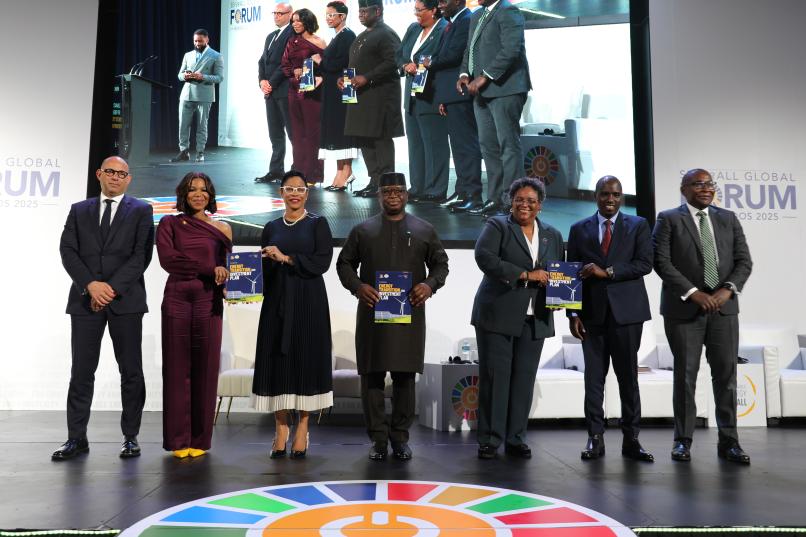
The sixth edition of the SEforALL Global Forum held in March 2025 gathered more than 900 leaders from governments, business, civil society and international organisations in Barbados to find solutions for expanding energy access. Under the theme “Sustainable Energy for Equity, Security and Prosperity,” the Forum centred on how countries can finance and implement progress.

The Forum delivered several concrete breakthroughs. It launched a new fund to expand local clean-energy solutions such as mini-grids and rooftop solar across Africa, supported countries in presenting new national plans for cleaner energy and investment and advanced reforms to make it easier and cheaper for developing countries to access capital.

In total, the Forum mobilised more than USD 500 million in commitments to expand electricity access, accelerate clean-energy deployment and help communities move away from costly, polluting energy sources.

G20

SEforALL’s role in shaping the G20’s energy-for-development agenda

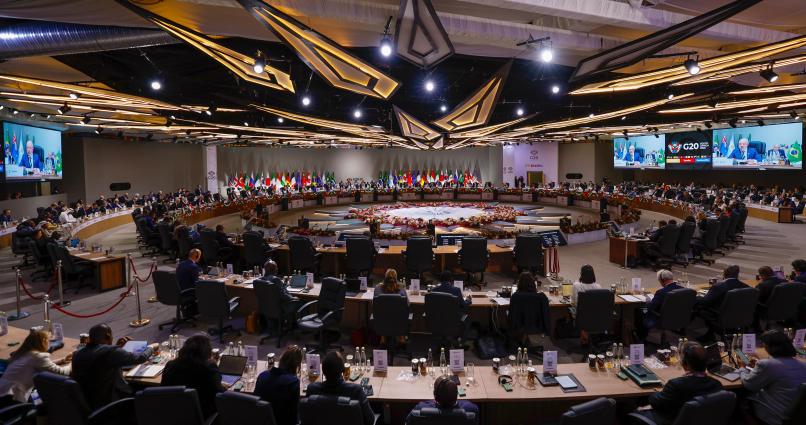
As the G20 Leaders’ Summit in Johannesburg concluded in November, it was clear that energy now sits at the centre of global economic and development priorities. The South Africa Presidency further strengthened the link between energy access, energy security, jobs, investment and long-term economic stability.

G20 countries agreed to expand access to clean, modern cooking solutions and to follow up on the USD 2.2 billion pledged in 2024 for Africa’s clean energy transition. They also strengthened targets for renewable energy and energy efficiency, prioritised new power-grid links across Africa, and called for financial reforms to help developing countries invest in clean energy at a lower cost.

SEforALL has played a decisive role in driving this shift, providing continuity across successive Presidencies.

A major part of this contribution has taken place through the G20 Energy Transition Working Group (ETWG), where SEforALL has been an active partner since 2019. The ETWG is the main vehicle for G20 governments and experts to shape positions on energy access, affordability, security, efficiency, renewables, technology and finance. SEforALL’s inputs have fed directly into ministerial communiqués and, ultimately, into the Leaders’ Declaration.

At COP30, Mission Efficiency Launches Global Plan to Deliver the Doubling Energy Efficiency Pledge by 2030

COP30 and Energy’s new place in the global climate agenda

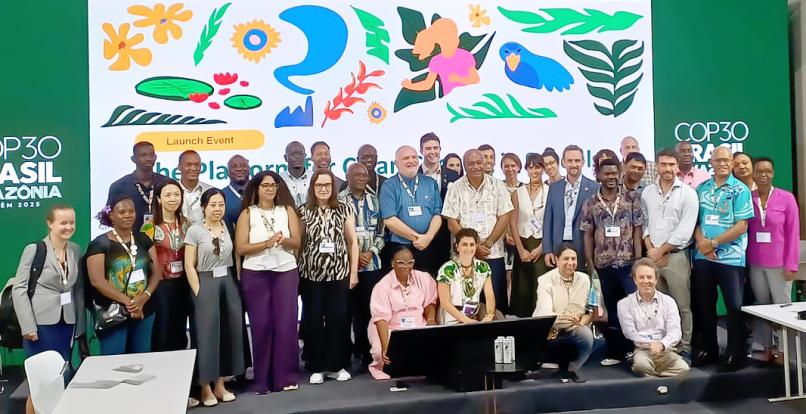
COP30 delivered historic breakthroughs. Energy played a more prominent role than at any previous COP and was, for the first time, recognised as central to climate implementation. Meanwhile, SEforALL took on three major responsibilities under the Presidency’s new action plan.

While earlier COPs addressed parts of the energy transition, COP30 is the first to unite energy access, clean cooking, energy efficiency and renewables within one coordinated delivery agenda. The Global Mutirão, COP30’s voluntary action agenda, brings together a broad coalition of partners to accelerate climate action from 2026 to 2030.

Central to Mutirão's delivery are the Plans to Accelerate Solutions (PAS), implementation roadmaps with clear targets, timelines and accountability. SEforALL worked with the COP30 Presidency and the UN Climate Champions team to develop and lead three PAS through 2030:

  • The Platform for Clean Cooking in Schools in Schools was launched at COP30, linking energy and food systems transitions. Over 450 million children worldwide currently receive at least one meal a day at school, including 87 million in Sub-Saharan Africa following an increase of 20 million children since 2022. However, many of these meals are still cooked using biomass energy, for instance burning wood, making clean cooking in schools a transformative solution that improves health, the environment, and livelihoods. The Platform, led by SEforALL, brings together partners to ensure the delivery of nutritious school meals, powered by sustainable energy solutions
  • Mission Efficiency launched its Plan to Accelerate Doubling Energy Efficiency, bringing together more than 30 organisations and over 50 coordinated actions. Its goal of doubling energy efficiency is essential to keep global warming below 2°C, boosting productivity, creating jobs and making energy more affordable.
  • Together with partners, SEforALL launched a new plan to speed up electricity connections and strengthen power system resilience. It aims for 51 million new connections per year by 2028 — enough to reach the 666 million people without electricity. The plan also works to make connections more reliable by strengthening grids and adding local renewables to support farms, clinics and small businesses.
Annual Monitoring Report 2024

Driving action toward 2030

2025 opened a new chapter for the global energy agenda. It has been a year that activated political will, unlocked major partnerships and placed energy at the centre of both development and climate action. With the renewed UN Decade, bold commitments from the G20 and COP30, and the rise of transformative initiatives like Mission 300, the world now has an unprecedented platform for progress.

SEforALL moves into the next phase with a clear purpose to turn collective ambition into real-world impact by accelerating electricity access, expanding clean cooking, scaling efficiency and renewables and directing clean energy investment to the communities that can achieve the greatest gains.

By deepening collaboration across governments, development banks, philanthropies and global partners, we are helping shape an energy future defined by opportunity, resilience and shared prosperity. The momentum built in 2025 is powerful, and with sustained commitment, the years to 2030 can become a defining period for accelerating climate action, advancing development and unlocking a new era of global prosperity.

Join us in turning commitment to ambition.


Photo credits: UNCTAD, AFDB, SEforALL

SEforALL Helps Shape a Stronger Energy-for-Development Focus in the G20

News

“Energy has emerged as the fulcrum of justice, resilience and survival.”

With these words, the G20 Presidency unveiled its new coffee-table book, produced by SEforALL, which is a two-decade look at how energy has moved from the margins of G20 discussions to a defining global priority.

When the G20 Leaders’ Summit in Johannesburg concluded at the end of November, that shift was unmistakable: energy now sits at the centre of international economic cooperation and development policy. South Africa used its Presidency to further link energy access and energy security to shaping jobs, investments and long-term economic stability.

G20 countries agreed to expand access to clean, modern household cooking solutions, and to follow up on the USD 2.2 billion pledged in 2024 to support Africa’s clean energy transition. They strengthened targets on renewable energy and energy efficiency, prioritised new regional power grid links across Africa, and called for changes in global finance so developing countries can invest in clean energy at lower cost.

Four Global South Presidencies Pushing for Energy

This momentum did not start in Johannesburg.

Indonesia set the direction in 2022 with the Bali Energy Transitions Roadmap, uniting G20 countries around shared goals on energy access, clean technologies and financing. India advanced this in 2023 through its LiFE agenda, highlighting how energy efficiency and everyday choices can cut emissions, and making access to safe, modern cooking fuels,  known as clean cooking, a priority. And Brazil’s 2024 Presidency strengthened the ambition by securing agreement to triple global renewable energy capacity and double the pace of efficiency improvements by 2030.

South Africa built on this foundation by making energy access and affordability central to its Presidency. It prioritised new cross-border grid projects to strengthen Africa’s regional power pools, while calling for changes to the global finance system so that developing countries can borrow at lower cost and get more support when investing in clean energy.

How SEforALL Advances Energy as a Core G20 Priority

SEforALL has played a decisive role in driving this shift, providing continuity across successive Presidencies.

A major part of this contribution has taken place through the G20 Energy Transitions Working Group (ETWG), where SEforALL has been an active partner since working with the Japanese Presidency in 2019. The ETWG is the main vehicle used by G20 governments and experts to shape positions on energy access, affordability, security, efficiency, renewables, technology and finance. SEforALL’s inputs have fed directly into ministerial communiqués and, ultimately, into the Leaders’ Declaration.

During India’s Presidency, for example, SEforALL worked with government partners on energy efficiency and lifestyle-based behavioural change, shaping the LiFE agenda. Our long-standing work on clean cooking has also influenced the G20’s agenda, from the first energy-access discussions under Saudi Arabia in 2020, through India and Brazil, and now into South Africa’s push for clean cooking infrastructure investment.

SEforALL has also been active in the G20’s transition finance discussions. We have pushed for solutions that make clean energy investments cheaper and less risky for developing countries, and for international financial institutions to better support countries that struggle with high borrowing costs. This has helped put energy access and fairness at the centre of the G20’s economic agenda.

Historic Momentum for More Clean Energy

Johannesburg set a clear direction for expanding energy access and accelerating renewables and efficiency. It also put scaled clean cooking and stronger regional grids firmly on the agenda.

SEforALL will help move this work forward by supporting governments and partners in translating political commitments into practical solutions, through targeted technical assistance, data-driven planning tools and convening power that connects policymakers, financiers and communities. The commitment across four Global South Presidencies of Indonesia, India, Brazil and South Africa has created historic momentum. SEforALL’s continued partnership with the G20 will help ensure it turns into impact.


Photo credits: UNCTAD

Energy at Center Stage at COP30 as SEforALL Takes On Global Role

News

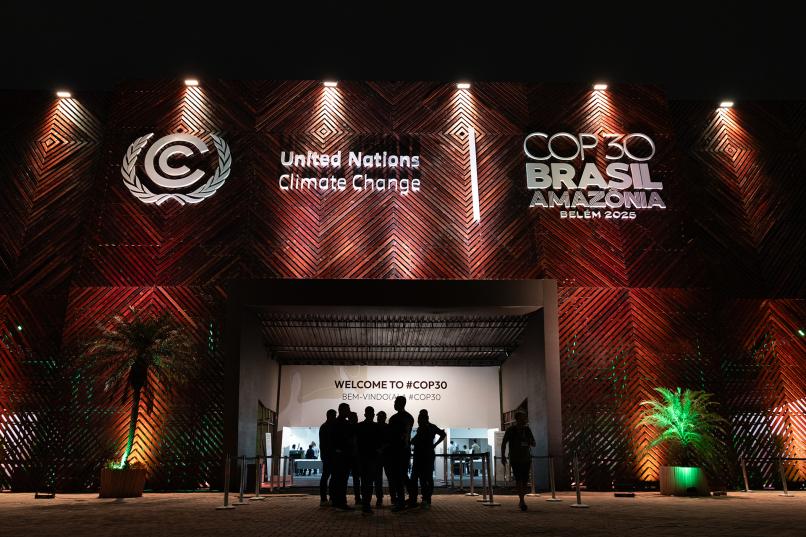
With only five years left until 2030, record global temperatures, and increasingly severe extreme weather destroying livelihoods and forcing migration, expectations were high that countries would finally unite behind practical and effective climate action at COP30 and beyond.

Recent COPs have made progress on what the world must do for the climate. This year, demands centred on how to deliver it, leading to COP30 being aptly named the “Implementation COP.”

At this year’s negotiations, lack of consensus on finance, trade measures, fossil fuel mitigation and other unresolved issues delayed a final agreement to the very end. More than 80 countries pushed for a roadmap to transition away from fossil fuels, while another coalition called for stronger climate finance commitments for developing countries. Neither demand made it into the final agreement.

COP30

Still, Parties did reach consensus in several important areas, including tripling climate adaptation finance by 2035, creating a new mechanism to ensure just and inclusive low-carbon transitions for workers, communities and Indigenous people and updating national climate implementation plans. The outcome also reaffirmed the goal of mobilising USD 1.3 trillion annually by 2035 for developing countries — though without binding timelines or mechanisms.

This demonstrated that despite the lack of agreement on critical issues, the continued role of multilateralism in climate action is still at play and will continue to be critical in providing greater support to developing countries and frontline communities.

Throughout COP30, SEforALL emphasised that a just and equitable energy transition will remain out of reach unless countries can access affordable capital. 675 million people still lack reliable access to energy, and high borrowing costs continue to limit clean energy investments in developing countries. SEforALL called for scaling climate finance toward the USD 1.3 trillion annual target by 2035, expanding concessional finance and mobilising greater private investment.

At the same time, COP30 delivered historic breakthroughs. Energy was, for the first time, recognised as central to climate implementation, and SEforALL took on three major responsibilities under the COP Presidency’s new action plan.

COP30

Our New Role in Shaping Global Energy Development

Energy played a more prominent role at COP30 than at any previous COP.

The Global Mutirão, the COP30 Presidency’s voluntary action agenda, is built with a broad coalition of partners and organised around six thematic pathways to accelerate climate action between 2026 and 2030. It is intended to help countries implement the finance commitments made at COP29 in Baku.

While previous COPs have addressed parts of the energy transition, COP30 is the first to bring energy access, clean cooking, energy efficiency and renewables together within a single, structured delivery agenda.

Central to Mutirão's delivery are the Plans to Accelerate Solutions (PAS), implementation roadmaps with clear targets, timelines and accountability. SEforAll worked with the COP30 Presidency and the Climate Champions team to develop and lead three PAS' through 2030:

  • the Platform for Clean Cooking in Schools,
  • Mission Efficiency (Energy Efficiency), and
  • Universal Access to Electricity.

SEforALL will convene partners and track progress annually to support future COP presidencies in advancing this work.

CC

Accelerating the Global Clean Cooking Transition in Schools

The Platform for Clean Cooking in Schools was launched - linking energy and food system transitions. This Platform supports the School Meals Coalition and its goals to ensure every child has access to daily school meals that are healthy and nutritious – while strengthening the role of schools as catalysts for community-wide energy transitions.

Over 450 million children around the world currently receive at least one meal a day at school. Significant progress has been made in Africa, with 20 million more children receiving school meals since 2022, now totaling 87 million in Sub-Saharan Africa. However, many of these meals are being cooked using biomass energy. Therefore, clean cooking in schools offers transformative solutions while improving health, environment, and livelihoods. By supporting national energy planning, financing transitions, and advocacy and advisory, the initiative positions schools as catalysts for community-wide energy transitions.

The platform brings together partners led by SEforALL together with the World Food Programme (WFP), the School Meals Coalition, the Government of Iceland, the Middle East Green Initiative – Forward7, UKAid – Modern Energy Cooking Services (MECS) Programme, Lightrock, and the Global Platform for Action (GPA).

At COP30, Mission Efficiency Launches Global Plan to Deliver the Doubling Energy Efficiency Pledge by 2030

Doubling energy efficiency to keep global warming below 2°C

Without doubling efficiency, the goal of tripling renewables simply won’t keep global warming below 2°C. Energy efficiency is the missing link to translating a tripling of renewables into climate impact. It also boosts productivity, creates millions of jobs and strengthens affordability and resilience.

Mission Efficiency, hosted by SEforALL, launched its Plan to Accelerate Doubling Energy Efficiency. The Plan brings together more than 30 organisations and sets out over 50 coordinated actions across policy, technology, workforce development and investment planning.

A key innovation is the Energy Efficiency De-Risking Platform, which aims to unlock capital for efficiency projects by standardising tools, reducing investor risk and connecting financiers with mature project pipelines in buildings, industry, transport and appliances.

Partners include AEEE, AEE, C2ES, CLASP, Consumers International, the Department of Energy of the Philippines, the Energy Efficiency Movement, the Energy Transitions Commission, OECD-CEFIM, PEEB, RMI, the Solar Impulse Foundation, UNIDO, the UNEP Copenhagen Climate Centre, WRI and WWF.

COP30

A Milestone in Closing the Energy Access Gap

Together with partners, SeforALL launched a new plan to accelerate electricity connections and strengthen power system resilience. It sets a global aim of 51 million new electricity connections per year by 2028, which is the level of progress needed to close the gap for the 675 million people who still lack electricity today.

The initiative also aims to make new connections more reliable by strengthening grids and integrating distributed renewables: small-scale solar and other local generation that improve stability where the grid is weak. It also ensures that electricity access supports productive uses in agriculture, health facilities and small industry, reflecting COP30’s focus on solutions that deliver both development and climate benefits.

It is developed by SEforALL together with leading international partners including Energy Saving Trust, the Global Energy Alliance for People and Planet, the International Energy Agency (IEA), IRENA and the Ministry of Mines and Energy Brazil.

COP30

Accelerating Action Beyond COP30

With COP30 behind us, SEforALL now moves into full coordination of the three PAS, setting up governance structures and guiding countries as they convert promises on electricity access, clean cooking and energy efficiency into trackable results. This groundwork will directly shape the next COP Global Stocktake cycle, keeping energy firmly at the heart of global delivery through 2030.

At the same time, SEforALL will strengthen collaboration across the multi-stakeholder platforms it convenes, including the UN Energy Compacts. Our support for the G20 Energy Transition Working Group and partner governments will intensify, driving faster deployment of clean energy and deeper efficiency gains so the transition accelerates everywhere and is truly global.

We will also continue advancing Mission 300, working alongside the World Bank, the African Development Bank Group, The Rockefeller Foundation, and the Global Energy Alliance for People and Planet to bring electricity to 300 million people in Africa by 2030 at the necessary scale and impact to ensure no one is left behind.


Photo credits: UNFCCC, SEforALL