SEforALL and African Energy Efficiency Alliance Join Forces to Champion Efficiency in Africa

Average energy intensity by region vs Total Energy Supply

Looking ahead, SEforALL will work with AEEA to advance the Africa Energy Efficiency Strategy and Action Plan. By fostering collaboration between AEEA and Mission Efficiency, SEforALL underscores the urgency of doubling global progress on efficiency—while ensuring African voices, experiences, and solutions shape the path to a sustainable energy future for all.

SEforALL is partnering with AFREC to plan for the African Energy Efficiency Conference planned under the Alliance. The Conference bringing together all stakeholders working on energy efficiency in Africa will take place on December 10-11, 2025 in Addis Ababa, Ethiopia.

Sign up to the Mission Efficiency newsletter for updates

Sign up

SEforALL promotes innovation and equity in the global energy transition at UNGA80 and Climate Week NYC

Africa’s Green Energy Revolution — SEforALL Raises Momentum

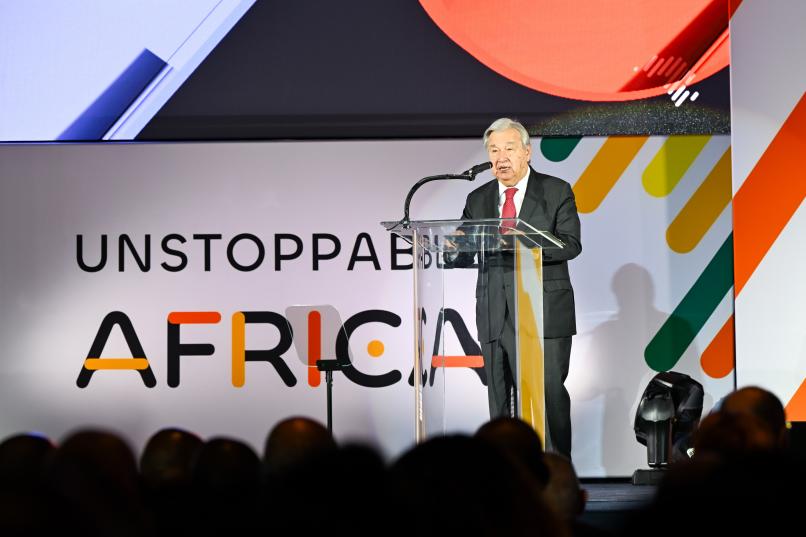
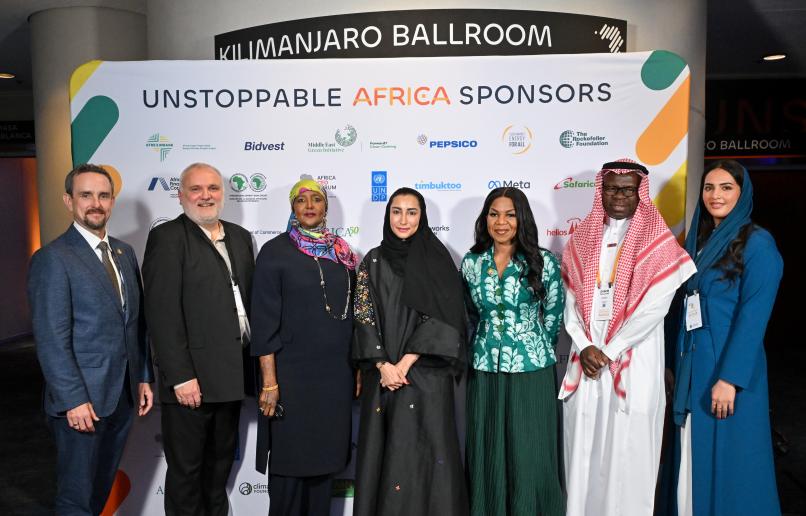
SEforALL led the energy pillar at the Unstoppable Africa event hosted by the Global Africa Business Initiative (GABI) showcasing African governments, financiers and industry leaders advancing the continent’s green energy revolution. It opened with ‘By Africa, For Africa: Financing a Green Industrial Revolution,’ highlighting African-led investments and partnerships already delivering results.

The panel ‘Innovating Energy, Transforming Industry — Africa’s Way Forward’ gathered policymakers, investors and innovators to explore Africa’s energy transition. Speakers emphasized that African institutions are charting their own path, from clean power to green industry, and called on global partners to back this momentum.

The session concluded with five deep-dive breakouts on clean cooking, green hydrogen, energy finance, mineral-to-manufacturing value chains and Mission 300 coordination — each designed to turn dialogue into concrete collaboration and action.

UNGA

SEforALL’s Green Industrialisation Hub – Minerals to Manufacturing

SEforALL convened a high-level roundtable, “Minerals to Manufacturing: Advancing Global South Ambitions to Build Clean Technology Value Chains.” The roundtable brought together governments, industry, development partners and financiers to discuss how countries can develop domestic clean energy technology value chains and advance their industrialization ambitions.

It showcased activities from SEforALL’s Green Industrialisation Hub and findings from Nigeria’s critical minerals demand–supply assessment, led by the Council for Critical Minerals Development in the Global South and UC Davis.

The discussion underscored the need to connect mineral resources to local manufacturing, ensuring the energy transition drives growth and opportunity in developing economies. It further identified key areas of interventions and partnerships necessary to support countries’ efforts to advance local value chain development.

UNGA

Meeting on Key Actions for Scaling SDG7 Implementation ahead of 2030

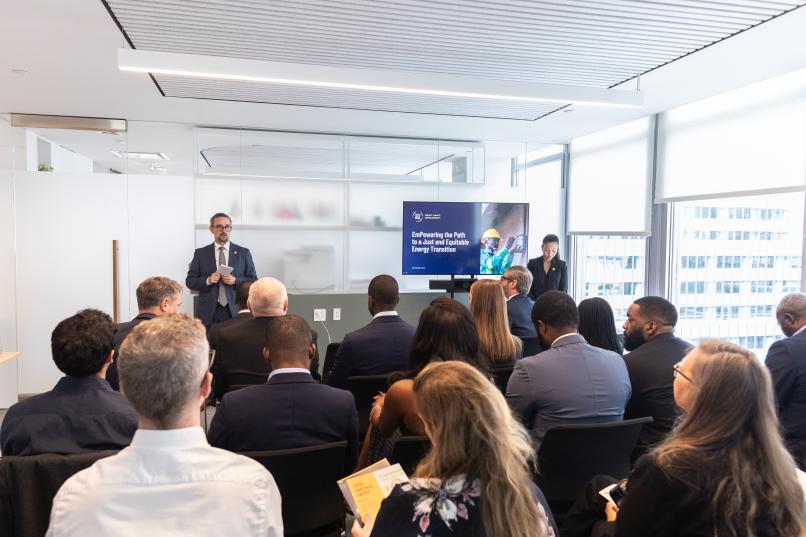
Together with the Permanent Mission of Iceland to the UN in New York, we convened a partner meeting with governments, development financiers, philanthropies, the private sector and think tanks.

Discussions focused on the opportunities to advance a just and equitable energy transition in emerging and developing economies, underlining the role of locally led, data-informed planning in driving economic prosperity. Such approaches can accelerate progress toward SDG7 by 2030, support global efforts to reach net-zero emissions by 2050 and deliver wider benefits across the SDGs.

Increased Government Support for Mission 300

The World Bank Group and the African Development Bank Group are working with partners including SEforALL, the Rockefeller Foundation, Global Energy Alliance for People and Planet (GEAPP), to align efforts in support of powering Africa, through Mission 300, the ambitious initiative to electrify 300 million Africans by 2030.

Seventeen additional African governments committed to reforms and actionable plans to expand electricity access as part of Mission 300 bringing the total number of countries actively working towards universal energy access to 29.

Benin, Botswana, Burundi, Cameroon, Comoros, the Republic of the Congo, Ethiopia, Gambia, Ghana, Guinea, Kenya, Lesotho, Mozambique, Namibia, São Tomé and Principe, Sierra Leone and Togo were the newest countries to unveil their national Energy Compacts.

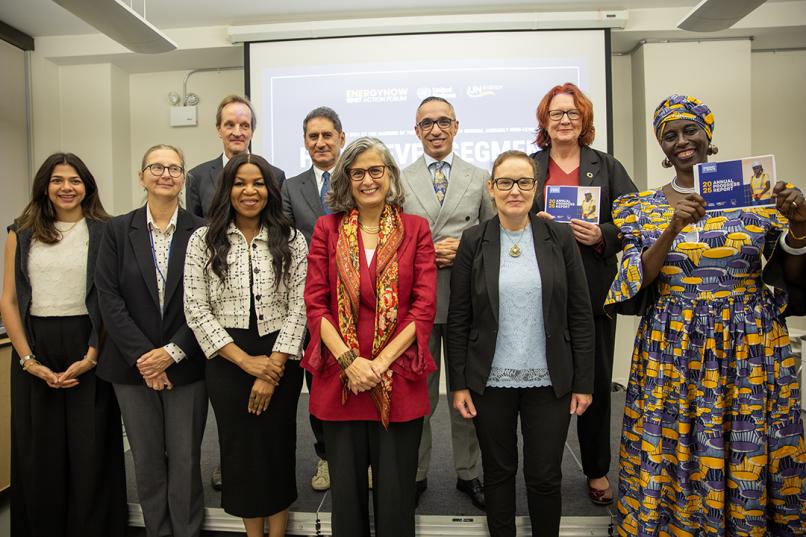
Launch of the Annual Energy Compacts Report

SEforALL launched the fourth edition of the Energy Compacts Report, building on the growing momentum since 2021, when more than 209 proponents first committed to accelerate progress toward SDG7.

New commitments to expand renewable energy and improve access to electricity and clean cooking by 2030 have raised the total finance and investment pledged through the United Nations to USD 1.6 trillion, of which USD 284 billion has already been mobilized. Energy Compact proponents have also expanded electricity access to 285 million people — an increase of 108 million in the past year.  Progress on clean cooking access remains slower. A total of 33 million people have gained access since 2021, up from 23 million in last year’s report.

The report underscores how Energy Compact proponents are turning ambition into action, addressing today’s energy needs while laying the foundation for a sustainable future.

UNGA

Advancing a Just Energy Transition through 24/7 Carbon-Free Energy

SEforALL convened a high-level session at the United Nations SDG7 Action Forum to explore how 24/7 Carbon-Free Energy procurement can operationalize the principles of the Just and Inclusive Energy Transition Compact (JIET). Unlike traditional renewable targets, 24/7 approaches aim to match every hour of demand with clean supply, driving investment in storage, grids and flexible technologies that ensure reliability.

Ambassador María Erla Marelsdóttir of Iceland delivered the keynote, followed by perspectives from global leaders across clean energy, storage and finance. The panelists highlighted how matching every hour of demand with clean supply can decarbonize power systems while creating jobs, strengthening resilience and ensuring fairness in emerging economies.

SEforALL also launched its new Report: Advancing the Just Energy Transition through Clean Energy Procurement,which provides actionable guidance for governments, companies, and communities on ensuring clean energy delivers inclusive prosperity.

Corporates Driving Net-Zero and a Just Energy Transition Forward

The session convened representatives from the private sector, government, finance and civil society to assess how corporate ambition can be effectively translated into actionable strategies for the energy transition.

Discussions emphasized the need to align corporate net-zero commitments with national energy priorities, supported by robust standards, accountability frameworks and cross-sector collaboration.

Participants examined pathways for decarbonizing supply chains, scaling green value chains and mobilizing innovative financing instruments to address cost pressures and shifting policy environments. The dialogue further underscored the importance of ensuring a just and equitable transition, with particular attention to the opportunities and challenges facing emerging economies.

UNGA

Addressing Energy Poverty and Empowering Communities through Clean Cooking

Together with the Middle East Green Initiative’s Forward7, SEforALL co-hosted a high-level session spotlighting the urgent need to expand clean cooking access, particularly in schools.

The discussion showcased innovative initiatives across Africa that are addressing energy poverty while unlocking wide-ranging co-benefits for health, education, gender equity and climate resilience.

Case studies from Sierra Leone, Madagascar, and Tanzania highlighted how strategic partnerships with governments and organizations like SEforALL and Forward7 can deliver scalable, sustainable solutions. The session underscored that accelerating clean cooking is central to advancing energy, climate and development ambitions.

Youth, Equity and AI in the Energy Transition

At the SDG 7 Action Forum, SEforALL and the SDG 7 Youth Constituency co-hosted the session “From Energy Burden to Engine of Transition: Centering Equity in the Age of AI,” asking a crucial question: is Artificial Intelligence (AI) a challenge to sustainability, or can it drive a fair and inclusive energy transition?

Speakers emphasized that ensuring AI serves as a tool for equity requires investments in reskilling for green and AI-driven jobs, innovations that reach last-mile communities and the empowerment of local leadership.

The session concluded with a clear call to action: to ensure women, youth and marginalized groups have active leadership roles, backed by investments in digital skills and quality data, to shape how AI powers the energy transition.

UNGA

Advancing Gender Data and Indicators for a Just & Equitable Transition

As co-lead of the Gender & Energy Compact, alongside ENERGIA, GWNE, and UNIDO, SEforALL emphasized the urgent need to establish standardized sex-disaggregated data and indicators to ensure a just and inclusive energy transition at the SDG 7 Action Forum.

Building on the launch of the Policy Briefs in Support of the High-Level Political Forum 2025, “Gender Indicators for Sustainable Energy: A Call to Action,” the session highlighted that without robust data on how energy policies affect women, from time poverty and labour participation to leadership and entrepreneurship, it remains a challenge to design effective policies or measure progress.

In the face of challenges such as low data coverage and siloed efforts, speakers called for harmonized methodologies, better use of existing datasets and stronger collaboration ahead of the 2026 HLPF review of SDG 7. The consensus was clear: making gender impacts visible through data is a core requirement for accountability and for shaping a sustainable energy future that empowers everyone.

Advancing Decent Work & Productive Employment for Women in the Energy Transition

SEforALL and the Gender & Energy Compact co-leads convened a session focused on evidence-based strategies to ensure women and girls secure decent employment in the shift to clean energy.

Speakers shared global, evidence-based solutions, including Iceland’s national policies on parental leave and boardroom quotas, India’s training programmes enabling women to install and maintain solar pumps and Kenya’s initiatives attracting women to skilled construction trades. These examples underscored that achieving a just transition demands multi-stakeholder action to embed gender equality in policy, invest in targeted training and create supportive work environments that unlock the resilience and innovation women and youth bring to the sector.

The discussions reaffirmed that women’s empowerment is a strategic necessity. Ambassador María Erla Marelsdóttir of Iceland captured this imperative, asking, “The question is not whether we can afford to prioritize gender equality, but can we afford not to?”

Global Media Impact

Lastly, our work captured the attention of some of the world’s most influential media outlets. TIME, The New York Times, BBC, Reuters and CGTN America featured coverage, amplifying our message to millions across the globe.

This recognition underscores both the growing relevance of our mission and the urgency of the challenges we address. From global broadcast segments on Reuters, BBC and CGTN America to thought-leadership features in The New York Times and TIME events, the breadth of coverage highlights the importance of our work and expands our reach to new partners, supporters and communities worldwide.

Our CEO’s latest recognition in the 2025 Forbes Sustainability Leaders list acknowledging the work of 50 global leaders at the forefront of climate action, continues to draw attention to the urgency of a just and equitable energy transition, and our work driving transformative change.

Powering ASEAN’s Journey to a Just and Equitable Energy Transition

Turning Critical Minerals Development into Shared Prosperity

NTPC and SEforALL strengthen partnership to advance clean energy and sustainability goals for India

Powering Progress: 7 Opportunities to Close the Energy Access Gap and Accelerate the Clean Energy Transition Now

Energy Compact Action Network: Unlocking Indonesia’s Clean Energy Future

Indonesia’s Energy Compact: Clear Targets, Significant Opportunity

Indonesia’s Energy Compact sets out measurable and time-bound goals to drive its clean energy transition. Its key commitments include:

  • Renewable Energy: Grow the share of renewables in total primary energy from 12.3% in 2022 to 23% by 2029.
  • Solar & wind: Scale from 0.4 GW to 5.3 GW by 2029—a twelvefold increase.​
  • Energy Efficiency: Reduce intensity from 133.9 SBM/Mil Rp to 125.96 SBM/Mil Rp by 2030.​
  • Emissions Control: Cap emissions at 446 MtCO₂e annually by 2030, compared to a business-as-usual projection of 596 MtCO₂e
  • Investment Needs: Mobilize IDR 4,000 trillion (USD 272.7 billion) to meet 2030 energy transition goals.

(Source: Indonesia Energy Compact 2024)

These targets are not merely symbolic—they represent the scale of change required to meet Indonesia’s national development and climate goals. Delivering on them requires the alignment of capital, policy, technology, and project pipelines. That’s where ECAN stepped in.

Energy Compacts Finance Roundtable, Indonesia

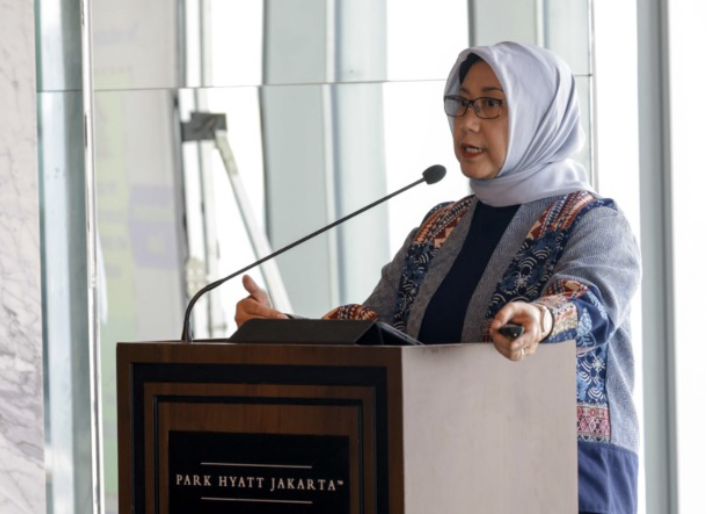
In November 2024, SEforALL partnered with Badan Perencanaan Pembangunan Nasional (BAPPENAS), Indonesia’s Ministry of National Development Planning, to host the ECAN Finance Roundtable in Jakarta. This convening marked a key moment in converting policy ambition into investment-ready action. Senior representatives from Indonesia’s government ministries, development finance institutions, clean energy developers, utilities, technology providers, and private investors—from national to global levels—gathered to drive investment into Indonesia’s clean energy priorities.

What distinguishes ECAN is its integrated support model—combining matchmaking, capacity building, and progress tracking in a single global platform. This was translated into the event’s primary focus— to align investment strategies with Indonesia’s Energy Compact targets, particularly in accelerating small- and medium-scale renewable energy deployment. The urgency of this effort is underscored by Indonesia’s current climate finance gap. At the moment, public financial institutions contribute around USD 3.5 billion annually, primarily focused on renewable energy, while private institutions invest about USD 3.4 billion—yet only 3% of this goes to climate-aligned sectors, mainly in sustainable agriculture. According to CPI’s Climate Finance Assessment, Indonesia’s climate finance flows need to scale by 4.5 times to meet its 2030 targets—requiring a substantial increase in private sector contributions. ECAN’s role in facilitating investor–government matchmaking and de-risking tools provides a structured approach to closing this gap.

Indonesia’s engagement with ECAN has been jointly led by two key institutions— BAPPENAS and the Ministry of Energy and Mineral Resources of the Republic of Indonesia (Kementerian Energi dan Sumber Daya Mineral, or MEMR)—whose complementary mandates are central to the country’s clean energy transformation. BAPPENAS plays a strategic role in formulating long-term national development plans, aligning policies with sustainability and carbon reduction goals, coordinating investment priorities, and fostering international partnerships. MEMR, as the primary regulatory body for the energy sector, is responsible for implementing energy policies, managing licensing and compliance for energy projects, promoting energy efficiency, and accelerating the deployment of renewable technologies. Their joint leadership within ECAN reflects Indonesia’s whole-of-government approach—ensuring that clean energy ambitions are underpinned by robust planning, effective regulation, and coordinated investment frameworks.

Indonesia Clean Energy Future

“Indonesia needs to continue to encourage this. We cannot just run business as usual. Climate change, reducing gas emissions are game changers to encourage Indonesia's growth. Investment for the green transition requires costs of up to USD 51.6 billion per year, which is obtained not only from government financing but also from the private sector.” former Deputy Minister for Maritime and Natural Resources at Indonesia’s Ministry of National Development Planning/BAPPENAS, during the ECAN Finance Roundtable in Indonesia.

Key outcomes included:

  • Six thematic clusters were identified for follow-up engagement- Financing transmission infrastructure for renewable energy evacuation; Replacement of diesel gensets with solar rooftop for last-mile access; Revisiting ESG mandates in financing PLN (Perusahaan Listrik Negara) and Pertamina; Strategies for reducing currency risk; Governance structures for clean energy finance under the newly elected administration; and Data challenges and tracking new renewable energy projects.
  • Aligning action with upcoming SEforALL initiative focussed on financing approaches and ownership models for last-mile access including blended-finance and results-based models.
  • Identifying modes of engagement under ECAN with national actors including BAPPENAS, MEMR, JETP Secretariat, state-owned enterprises, national investors and other on-going initiatives.

These discussions mark the beginning of a coordinated, multi-stakeholder implementation phase that will support Indonesia’s decarbonization and electrification goals. You can read more about the roundtable here. 

Partnerships for Possibility: Scaling Impact Through Collective Action 

Indonesia’s progress demonstrates what is achievable when national ambition is paired with structured global support. Through ECAN, political will is transformed into practical outcomes—by connecting governments with the resources, financing, and partnerships needed to turn plans into progress.

Yet, delivering a just and sustainable energy future demands more than a single success story. It requires continued leadership, cross-sector collaboration, and bold action at scale. Governments around the world are encouraged to submit or update their Energy Compacts, using ECAN’s tailored support to align national priorities with global financing and implementation pathways. Technical experts, civil society, and the private sector have critical roles to play—whether by contributing innovations through multi-stakeholder compacts or by advancing local implementation.

ECAN is not just supporting Indonesia—it is shaping a model of action and accountability for countries everywhere. As more nations embrace Energy Compacts, ECAN connects countries with potential investors and financial institutions, and aids in creating viable investment pathways to fund energy projects.

To meet the 2030 targets, global clean energy investments must triple, and political momentum must translate into pipelines, partnerships, and progress. ECAN is the engine to make that happen.

Join the Network—bring your capital, innovation, and expertise—and help turn commitments into a just, inclusive, and sustainable energy future for all.

You can learn more about ECAN here.

Programme

UN-Energy

Championing SDG7: UN Deputy Secretary-General Visits SEforALL Headquarters