
Three Numbers That Define AI's Energy Decade
AI is getting more efficient. AI's energy demand is on track to triple by 2030. Both are true and this contradiction now sits at the centre of the global energy debate.
Three numbers describe what that contradiction adds up to.
945. It is projected that data centres will consume around 945 terawatt-hours of electricity globally by 2030. That is roughly double the 415 TWh used in 2024 and close to Japan's annual total. AI-focused demand alone is set to triple.
602 billion USD. That is the projected combined capital expenditure of the top five hyperscale technology companies on data centre and AI infrastructure in 2026. The 2025 figure was USD 400 billion, already larger than global investment in oil and gas production.
666 million. That is the number of people still living without access to electricity. Most are in Sub-Saharan Africa, a region that is home to 18% of the world's population but accounts for less than 1% of global data centre capacity.
Together, those three numbers describe the central energy story of our time. AI is reshaping the global power system at extraordinary speed. Whether that reshaping closes the access gap or widens it is the policy question of the years ahead.
Three trends explain why.
Efficiency cannot keep up with usage. Global data centre electricity demand grew 17% in 2025, while total electricity demand grew 3%. Energy use per AI task has fallen close to tenfold each year in recent years, a pace the energy sector has not previously seen. Even at that pace, efficiency cannot outrun demand. But the demand keeps coming: more people are using AI and newer applications such as agents, video generation and reasoning consume far more energy per query than text.
Concentration matters more than averages. Data centres now account for more than 20% of Ireland's electricity and are on track to reach 30% by 2032, against an EU average of 2 to 3%. Cooling adds a second concentration. S&P Global projects that 45% of more than 9,000 facilities worldwide will face high water-stress exposure by the 2050s, with the sharpest risks in parts of the Middle East, Spain, Chile, Peru and Mexico. Communities around facilities in Querétaro and Santiago have already pushed back against operations drawing from aquifers under multi-year drought.
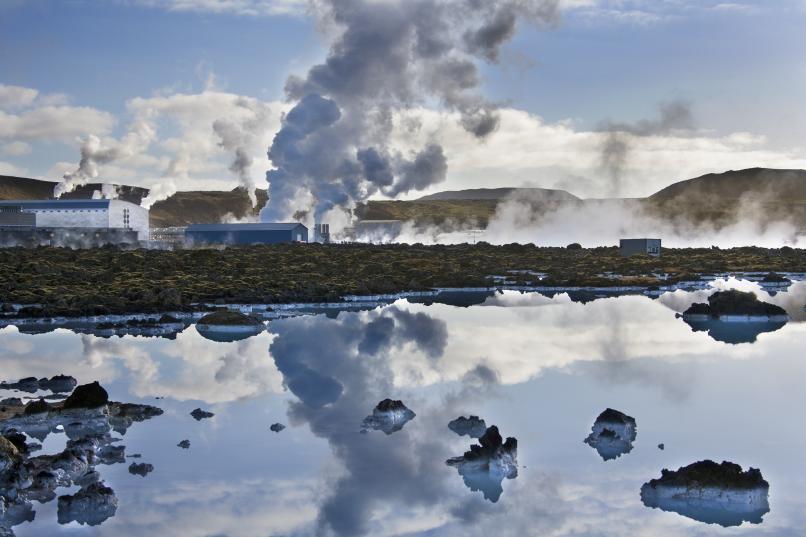
Clean energy is a deliberate choice. Iceland's data centres run entirely on geothermal and hydropower and Norway's grid is over 95% hydropower. Around 40% of all corporate renewable power purchase agreements signed in 2025 were tied to technology companies and the conditional pipeline of small modular reactor offtake agreements grew from 25 to 45 gigawatts in a single year. Without that deliberate choice, however, the picture looks very different.
This is where the access conversation arrives. Africa hosts some of the world's most underused renewable resources: geothermal in the East African Rift, hydropower along the Congo and Nile basins, world-class solar across the Sahel and abundant wind on multiple coasts. It has almost none of the AI investment now redirecting energy markets elsewhere. The mismatch is itself the opportunity. African Energy Week 2026 will host the first dedicated AI and Data Centre Track this October in Cape Town, positioning data centre demand as an anchor for gigawatt-scale clean energy investment.
The technology is proven and the capital is moving. What remains is the policy work: the disclosure rules, planning frameworks and financing structures that determine whether AI's electricity demand props up legacy fossil systems or builds new clean capacity that also reaches the unconnected.
The three numbers will not stand still. The question is which way they move and for whom.
Related content


