
When the Lights Go Out: Insight Into the Power of Energy Access in Rural Colombia
By María Juliana Pulido Otero — STEM Trainee
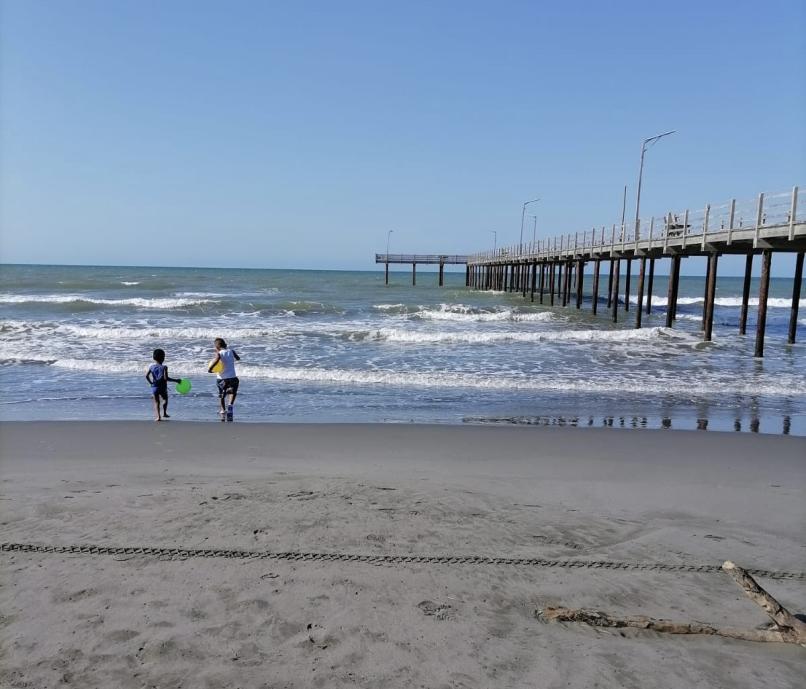
Electricity shapes people’s daily life, education and rest. I spoke with Elianis, who grew up in Trementino, San Bernardo del Viento, a small coastal town in Colombia, about the challenges of living without reliable electricity.
For Elianis, while she was growing up, electricity was present but unpredictable. “In our community, we learned to react,” she explains, “If the power went out, we adjusted," which could happen two to three times a week. When storms hit, the power could be out for days.
Her family planned meals carefully. Without consistent refrigeration, perishable foods could not be stored for long periods. When the power went out for over 12 hours, they tried to cook everything that could spoil without refrigeration.
When she was in school, if fans stopped working in the heat (between 32 °C and 40° C), classes were moved outdoors. And at home, she used candles or a small lamp to do her homework.
The impact became more visible during her first semester of university; “I had to take one exam three times because the power went out each time,” she recalls. Her experience studying virtually depended entirely on stable electricity and with the recurrent outages she had to sometimes miss entire lessons.
At night, unreliable electricity affected her comfort. When there were outages, her family was unable to sleep inside the house since the fans did not work and the heat increased. They slept in hammocks in their Ranchos de Palma (palm-thatched hut).
The energy transition is often framed around who is connected and who is not. However, Elianis’s experience shows that connection alone is not enough. Reliability matters. Energy access is about ensuring that the community's daily life is not paused by uncertainty.
Juliana Pulido is a STEM Trainee with SEforALL's STEM Traineeship Programme. This traineeship is designed to equip emerging professionals with the technical and soft skills necessary to thrive as future energy leaders and drive a sustainable energy future in their communities and region. Juliana's cohort, launched by SEforALL in partnership with the Latin American and Caribbean Energy Organization (OLACDE), works closely with government officials and project partners, ensuring alignment with national Energy Compact objectives while supporting the OLADCE team in technical activities and high-level events.
Related content


