
Energy at Center Stage at COP30 as SEforALL Takes On Global Role
With only five years left until 2030, record global temperatures, and increasingly severe extreme weather destroying livelihoods and forcing migration, expectations were high that countries would finally unite behind practical and effective climate action at COP30 and beyond.
Recent COPs have made progress on what the world must do for the climate. This year, demands centred on how to deliver it, leading to COP30 being aptly named the “Implementation COP.”
At this year’s negotiations, lack of consensus on finance, trade measures, fossil fuel mitigation and other unresolved issues delayed a final agreement to the very end. More than 80 countries pushed for a roadmap to transition away from fossil fuels, while another coalition called for stronger climate finance commitments for developing countries. Neither demand made it into the final agreement.
Still, Parties did reach consensus in several important areas, including tripling climate adaptation finance by 2035, creating a new mechanism to ensure just and inclusive low-carbon transitions for workers, communities and Indigenous people and updating national climate implementation plans. The outcome also reaffirmed the goal of mobilising USD 1.3 trillion annually by 2035 for developing countries — though without binding timelines or mechanisms.
This demonstrated that despite the lack of agreement on critical issues, the continued role of multilateralism in climate action is still at play and will continue to be critical in providing greater support to developing countries and frontline communities.
Throughout COP30, SEforALL emphasised that a just and equitable energy transition will remain out of reach unless countries can access affordable capital. 675 million people still lack reliable access to energy, and high borrowing costs continue to limit clean energy investments in developing countries. SEforALL called for scaling climate finance toward the USD 1.3 trillion annual target by 2035, expanding concessional finance and mobilising greater private investment.
At the same time, COP30 delivered historic breakthroughs. Energy was, for the first time, recognised as central to climate implementation, and SEforALL took on three major responsibilities under the COP Presidency’s new action plan.
Our New Role in Shaping Global Energy Development
Energy played a more prominent role at COP30 than at any previous COP.
The Global Mutirão, the COP30 Presidency’s voluntary action agenda, is built with a broad coalition of partners and organised around six thematic pathways to accelerate climate action between 2026 and 2030. It is intended to help countries implement the finance commitments made at COP29 in Baku.
While previous COPs have addressed parts of the energy transition, COP30 is the first to bring energy access, clean cooking, energy efficiency and renewables together within a single, structured delivery agenda.
Central to Mutirão's delivery are the Plans to Accelerate Solutions (PAS), implementation roadmaps with clear targets, timelines and accountability. SEforAll worked with the COP30 Presidency and the Climate Champions team to develop and lead three PAS' through 2030:
- the Platform for Clean Cooking in Schools,
- Mission Efficiency (Energy Efficiency), and
- Universal Access to Electricity.
SEforALL will convene partners and track progress annually to support future COP presidencies in advancing this work.
Accelerating the Global Clean Cooking Transition in Schools
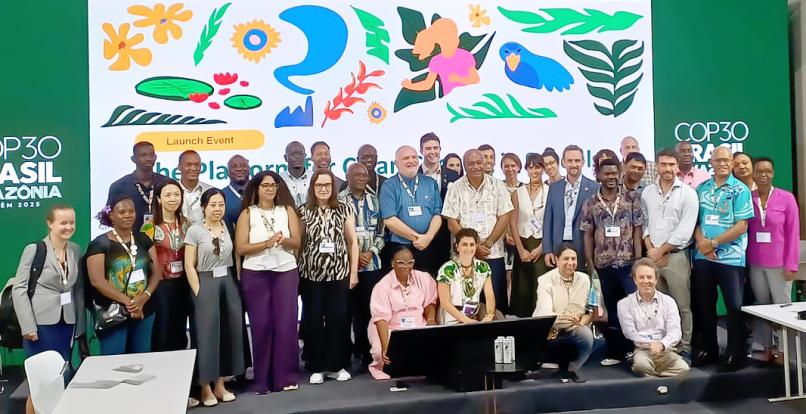
The Platform for Clean Cooking in Schools was launched - linking energy and food system transitions. This Platform supports the School Meals Coalition and its goals to ensure every child has access to daily school meals that are healthy and nutritious – while strengthening the role of schools as catalysts for community-wide energy transitions.
Over 450 million children around the world currently receive at least one meal a day at school. Significant progress has been made in Africa, with 20 million more children receiving school meals since 2022, now totaling 87 million in Sub-Saharan Africa. However, many of these meals are being cooked using biomass energy. Therefore, clean cooking in schools offers transformative solutions while improving health, environment, and livelihoods. By supporting national energy planning, financing transitions, and advocacy and advisory, the initiative positions schools as catalysts for community-wide energy transitions.
The platform brings together partners led by SEforALL together with the World Food Programme (WFP), the School Meals Coalition, the Government of Iceland, the Middle East Green Initiative – Forward7, UKAid – Modern Energy Cooking Services (MECS) Programme, Lightrock, and the Global Platform for Action (GPA).
Doubling energy efficiency to keep global warming below 2°C
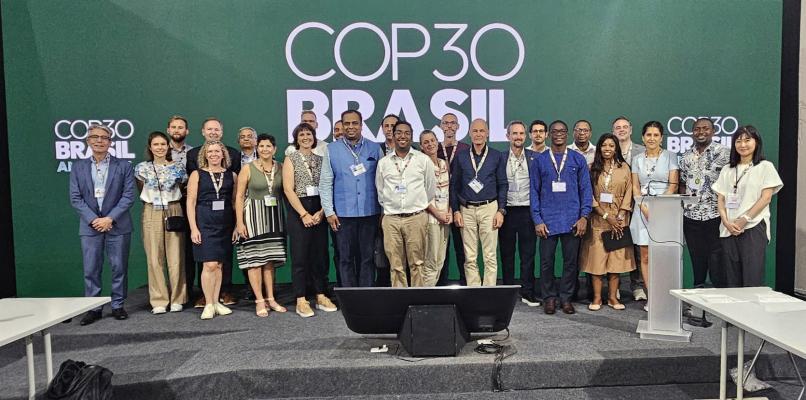
Without doubling efficiency, the goal of tripling renewables simply won’t keep global warming below 2°C. Energy efficiency is the missing link to translating a tripling of renewables into climate impact. It also boosts productivity, creates millions of jobs and strengthens affordability and resilience.
Mission Efficiency, hosted by SEforALL, launched its Plan to Accelerate Doubling Energy Efficiency. The Plan brings together more than 30 organisations and sets out over 50 coordinated actions across policy, technology, workforce development and investment planning.
A key innovation is the Energy Efficiency De-Risking Platform, which aims to unlock capital for efficiency projects by standardising tools, reducing investor risk and connecting financiers with mature project pipelines in buildings, industry, transport and appliances.
Partners include AEEE, AEE, C2ES, CLASP, Consumers International, the Department of Energy of the Philippines, the Energy Efficiency Movement, the Energy Transitions Commission, OECD-CEFIM, PEEB, RMI, the Solar Impulse Foundation, UNIDO, the UNEP Copenhagen Climate Centre, WRI and WWF.
A Milestone in Closing the Energy Access Gap
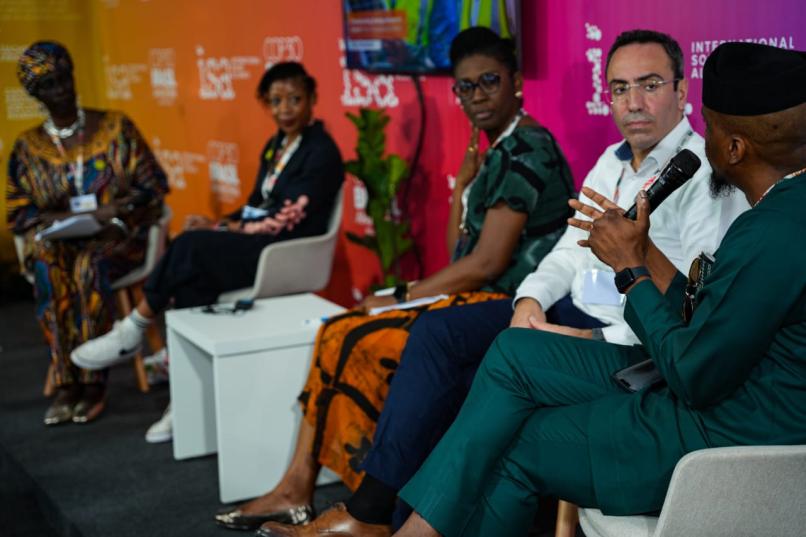
Together with partners, SeforALL launched a new plan to accelerate electricity connections and strengthen power system resilience. It sets a global aim of 51 million new electricity connections per year by 2028, which is the level of progress needed to close the gap for the 675 million people who still lack electricity today.
The initiative also aims to make new connections more reliable by strengthening grids and integrating distributed renewables: small-scale solar and other local generation that improve stability where the grid is weak. It also ensures that electricity access supports productive uses in agriculture, health facilities and small industry, reflecting COP30’s focus on solutions that deliver both development and climate benefits.
It is developed by SEforALL together with leading international partners including Energy Saving Trust, the Global Energy Alliance for People and Planet, the International Energy Agency (IEA), IRENA and the Ministry of Mines and Energy Brazil.
Accelerating Action Beyond COP30
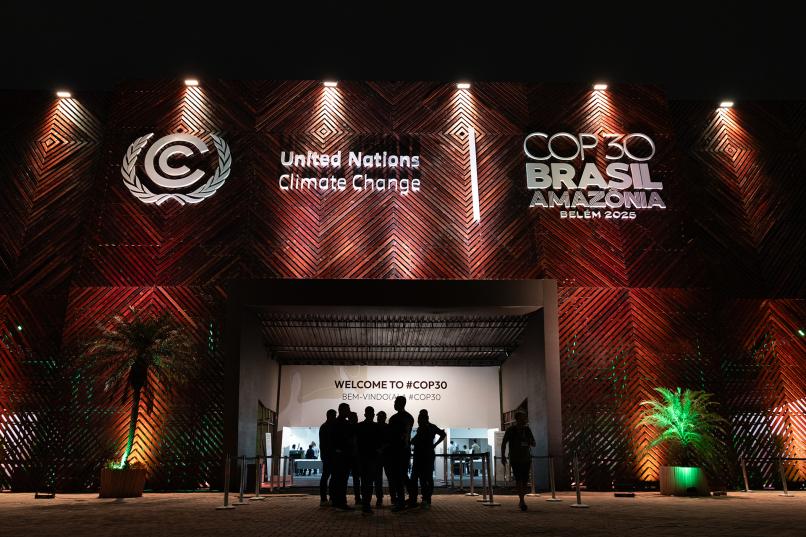
With COP30 behind us, SEforALL now moves into full coordination of the three PAS, setting up governance structures and guiding countries as they convert promises on electricity access, clean cooking and energy efficiency into trackable results. This groundwork will directly shape the next COP Global Stocktake cycle, keeping energy firmly at the heart of global delivery through 2030.
At the same time, SEforALL will strengthen collaboration across the multi-stakeholder platforms it convenes, including the UN Energy Compacts. Our support for the G20 Energy Transition Working Group and partner governments will intensify, driving faster deployment of clean energy and deeper efficiency gains so the transition accelerates everywhere and is truly global.
We will also continue advancing Mission 300, working alongside the World Bank, the African Development Bank Group, The Rockefeller Foundation, and the Global Energy Alliance for People and Planet to bring electricity to 300 million people in Africa by 2030 at the necessary scale and impact to ensure no one is left behind.
Photo credits: UNFCCC, SEforALL
Related content


